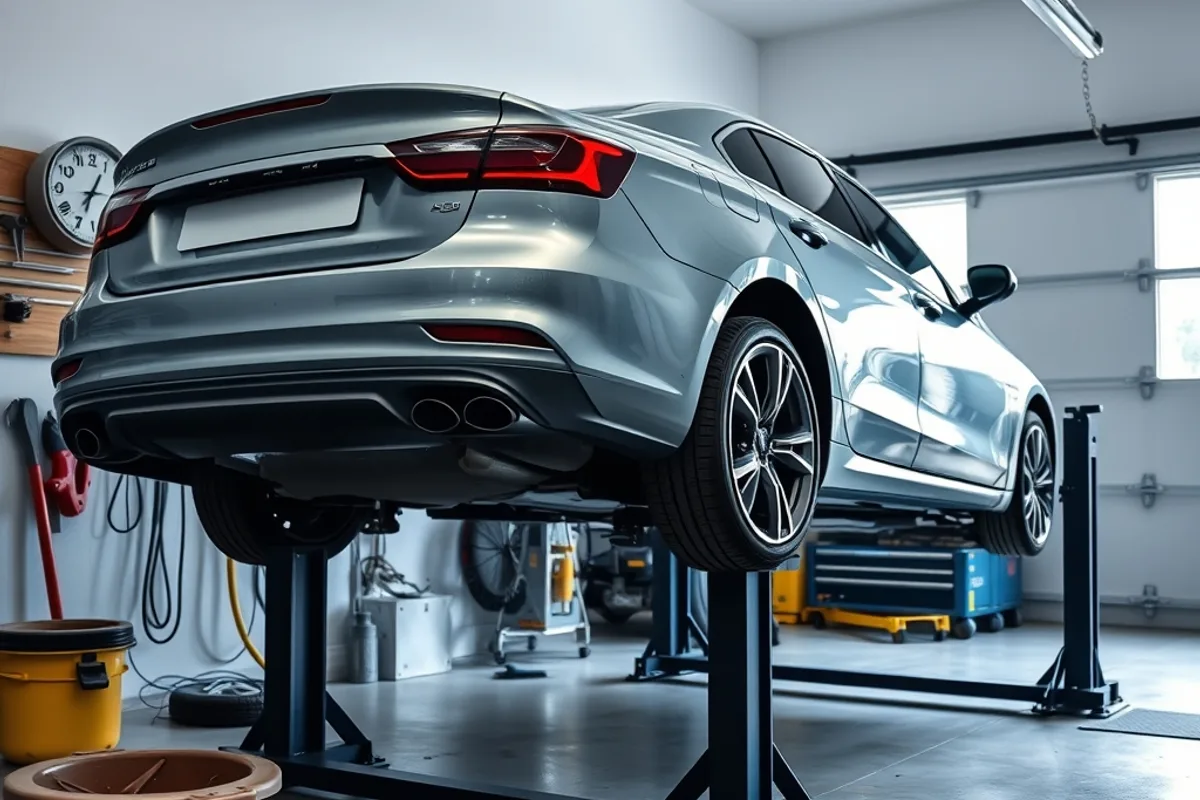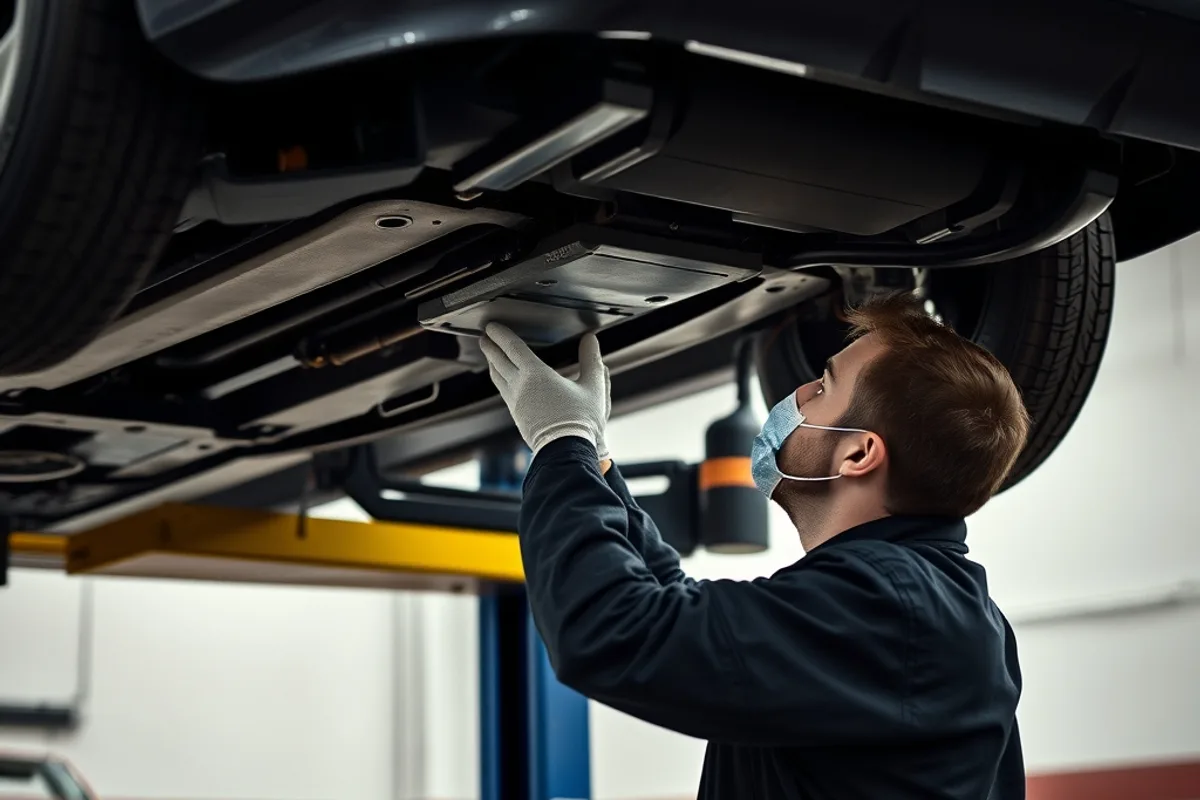
Most cars are scrapped because of neglect, not because the engine wore out. A modest maintenance routine, followed with reasonable consistency, is the difference between a car that reaches 250,000 kilometres and one that becomes a money pit at 120,000.
This schedule is organised by mileage rather than by the dealer's menu. It covers the jobs that protect safety and resale value, the ones that can wait, and the ones you can genuinely do yourself.
Key facts
- Oil and filter: every 10,000 to 15,000 km, or once a year.
- Cabin and engine air filters: every 20,000 to 30,000 km.
- Brake fluid: every two years regardless of mileage.
- Coolant: check yearly, replace at the interval in your manual.
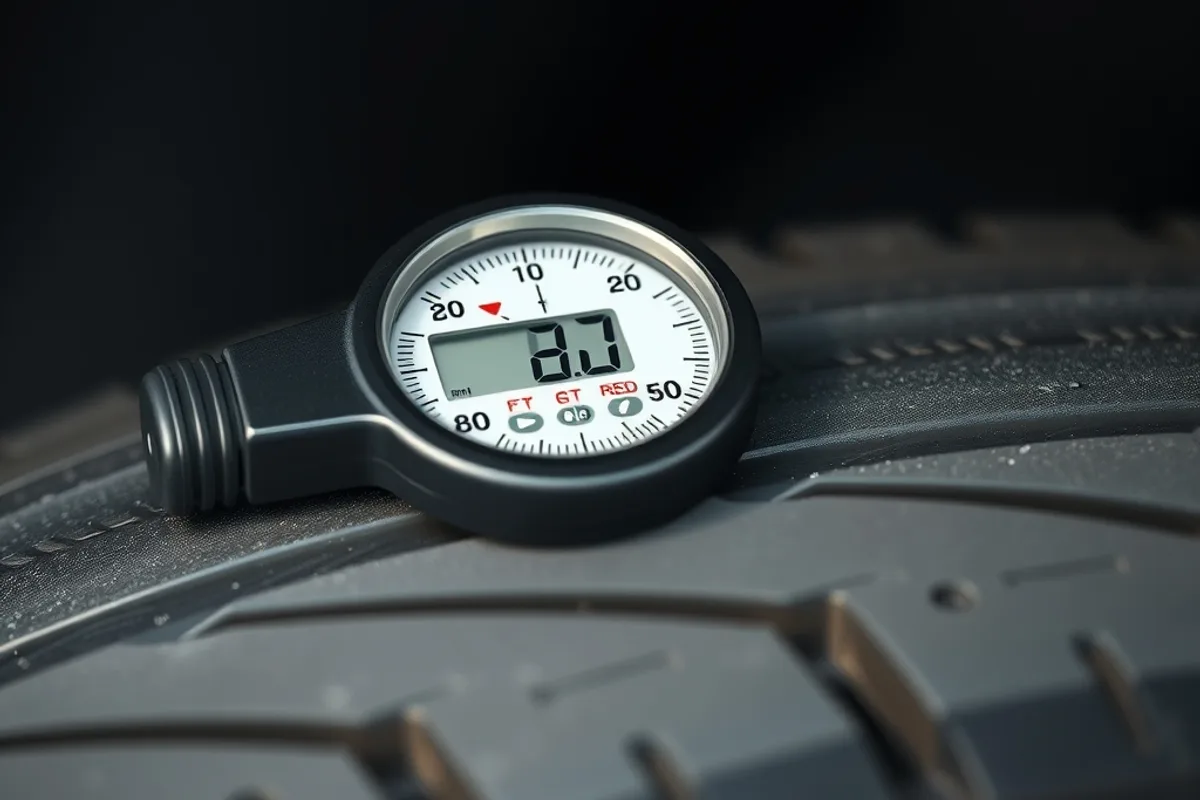
- Tyres: check pressure monthly, replace at 1.6 mm tread minimum.
Why a schedule beats a repair bill
Cars wear in predictable ways. Oil degrades, filters clog, brake fluid absorbs water and tyres lose pressure. Each of those is cheap to address on schedule and expensive to ignore, because the failure they cause is usually a bigger component.
A written schedule also protects your warranty and your resale value. A stamped service book or a folder of receipts tells a buyer the car was cared for, which is worth real money when you sell.
The first 1,000 kilometres
New cars no longer need the gentle break-in of decades past, but the first 1,000 kilometres still deserve some care. Avoid sustained high revs, vary your speed on long trips and check the tyre pressures once the car has settled.
Check the oil and coolant level after the first month. A new engine can use a small amount of oil as it beds in, and catching a low level early prevents a much larger problem.

Every 10,000 to 30,000 kilometres
This is the routine core: engine oil and filter, a general inspection, and the cabin filter if you drive in dusty air or with the windows down. Rotate the tyres if your car allows it, and check the brake pads while the wheels are off.
At around 30,000 kilometres, expect the engine air filter and possibly the spark plugs on some engines. Follow the manual for the exact interval, because turbo engines and direct injection often need shorter oil changes than the sticker suggests.
Every 40,000 to 60,000 kilometres
Brake fluid should be replaced every two years even if the car has done low mileage, because it absorbs moisture and lowers the boiling point. Transmission fluid varies widely by model, so check the manual rather than accepting a blanket recommendation.
At this mileage, inspect the suspension bushes, the accessory belt and the battery health. None of these usually fail yet, but catching a worn belt or a weak battery before a breakdown is the point of inspection.
Maintenance is not a cost you pay to keep an old car alive. It is the reason the car is not old yet.
Fluids people forget
Coolant, brake fluid, transmission fluid and power-steering fluid all have service lives. Coolant can turn acidic and corrode the radiator from the inside, while old brake fluid quietly reduces your margin in an emergency stop.
Use the specification in the owner manual, not whatever is cheapest at the counter. Mixing coolant types can create sludge, and the wrong transmission fluid can damage a gearbox that costs more than the car is worth.
Brakes, tyres and the safety checks
Check tyre pressures monthly and the tread depth every few months. The legal minimum is 1.6 millimetres, but grip in the wet falls off well before that; most specialists recommend replacing at around 3 millimetres for safety.
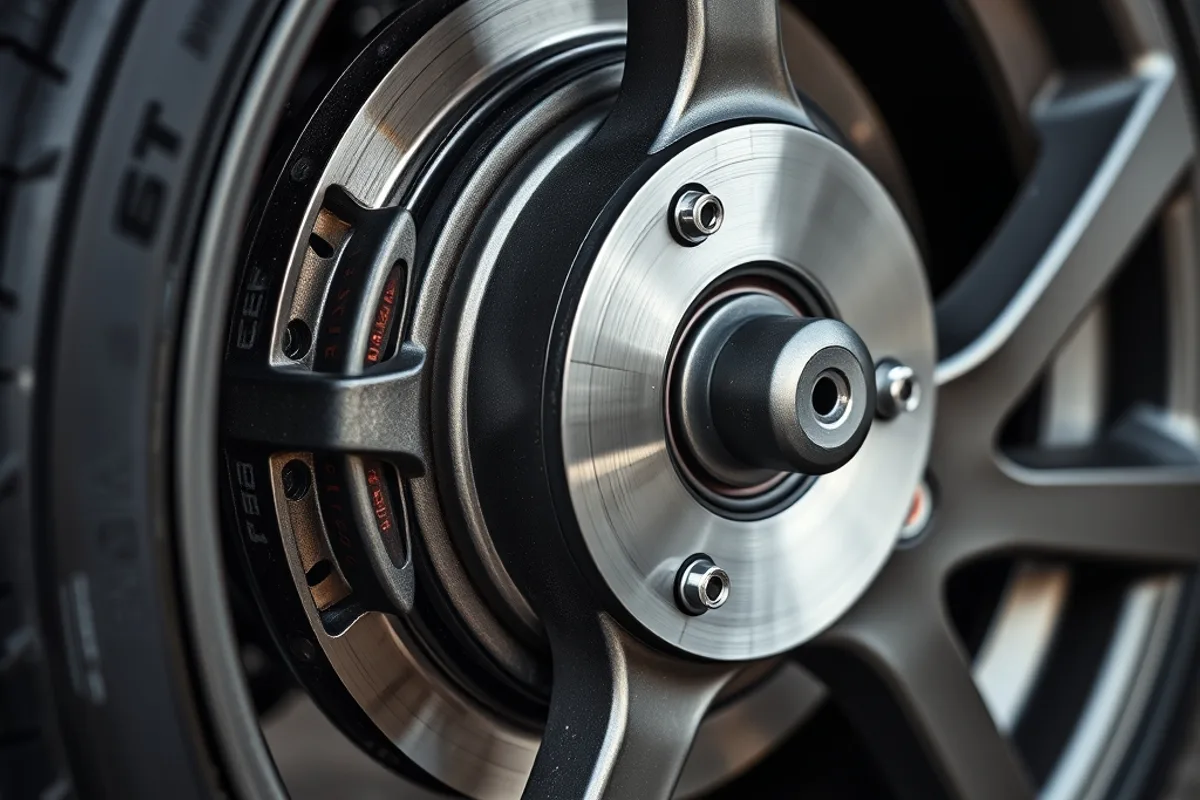
Listen for brake squeal and feel for vibration through the pedal. A pad replacement is inexpensive; a disc replacement caused by metal-on-metal contact is not. If the car pulls to one side under braking, get it checked immediately.
Keeping records that pay you back
Keep every receipt, note the date and mileage, and write down what was done. A simple notebook in the glovebox is enough. When you sell, that record is evidence, and evidence supports a higher price.
If you do your own work, photograph the receipt for parts and note the mileage. Buyers accept DIY servicing when it is documented, and they discount heavily when it is a vague claim. For the oil change itself, follow our step-by-step guide.
Official source: nhtsa.gov.