Buying used is the cheapest way into a good car, and the fastest way into a bad one. The difference is rarely luck. It is preparation: knowing the budget, checking the history and being willing to walk away from a car that does not add up.
This guide is the process we would follow ourselves, from the first search to the paperwork, with the checks that catch the expensive problems before they become yours.
Key facts
- Set a total budget, including insurance, tax and immediate repairs.
- A history check is cheap compared with a hidden write-off.
- Cold-start the engine and listen before the seller warms it up.
- Budget for a pre-purchase inspection by a independent mechanic.
- Never pay a deposit before you have seen the car and the paperwork.
Start with a total budget, not a monthly payment
A monthly payment tells you what the finance company will lend, not what the car will cost. Add insurance, road tax, fuel, servicing and a contingency for the first repair. A cheap car with a large immediate bill is not cheap.
Decide your maximum before you browse, and leave roughly ten percent aside for tyres, brakes or a service. Most used cars need something in the first six months, and budgeting for it turns a crisis into routine maintenance.
Check the history before you travel
Ask for the registration or VIN and run a history check. It reveals write-offs, outstanding finance, mileage discrepancies and theft records. The cost is small, and the information can save you from a car you can never legally own outright.
Look at the service records too. A stamped book is good; itemised invoices with dates and mileages are better. A car with gaps in its history is not automatically bad, but it should be cheaper and inspected more carefully.
Inspect the car in daylight
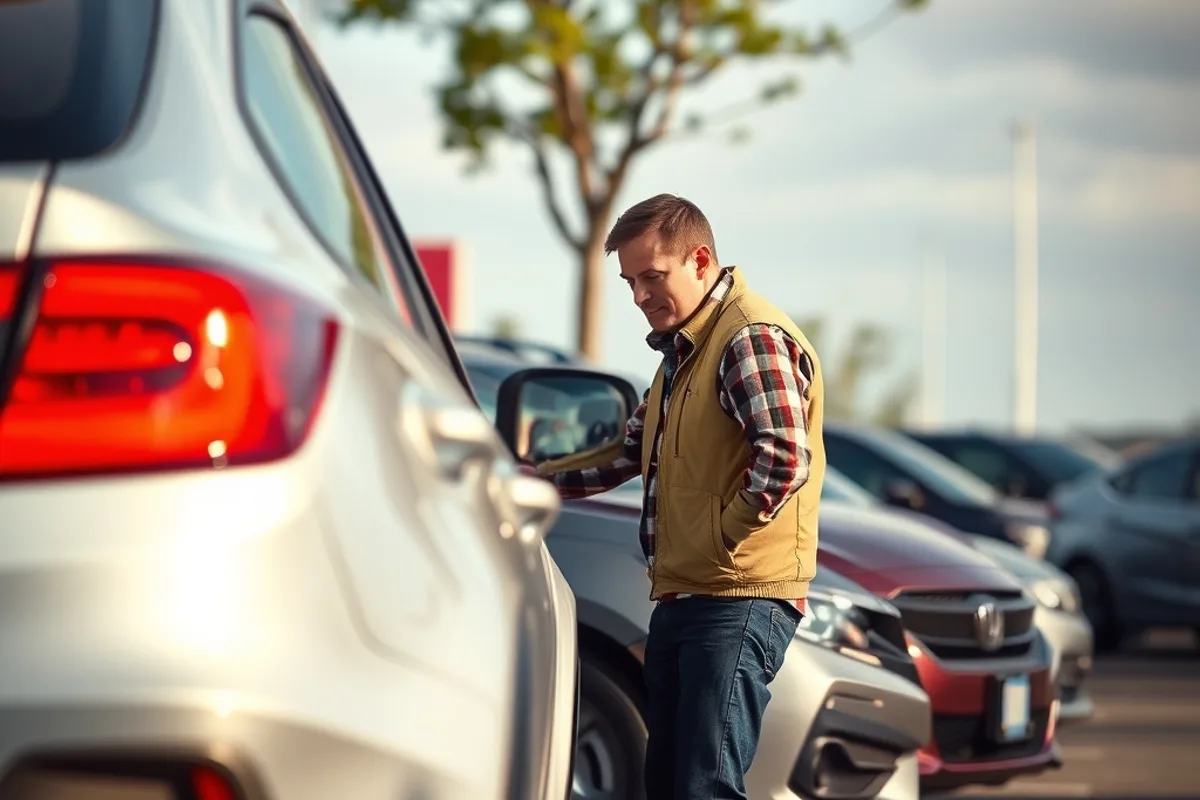
View the car in daylight, on a dry day if possible, and never at a roadside meeting arranged at short notice. Check panel gaps, paint mismatch and tyre wear patterns, which can hint at accident damage or suspension problems.
Look under the bonnet for fresh oil leaks, coolant stains and a clean oil level. Check the boot floor and the sills for rust. A tidy interior matters less than a straight body and a dry engine bay.
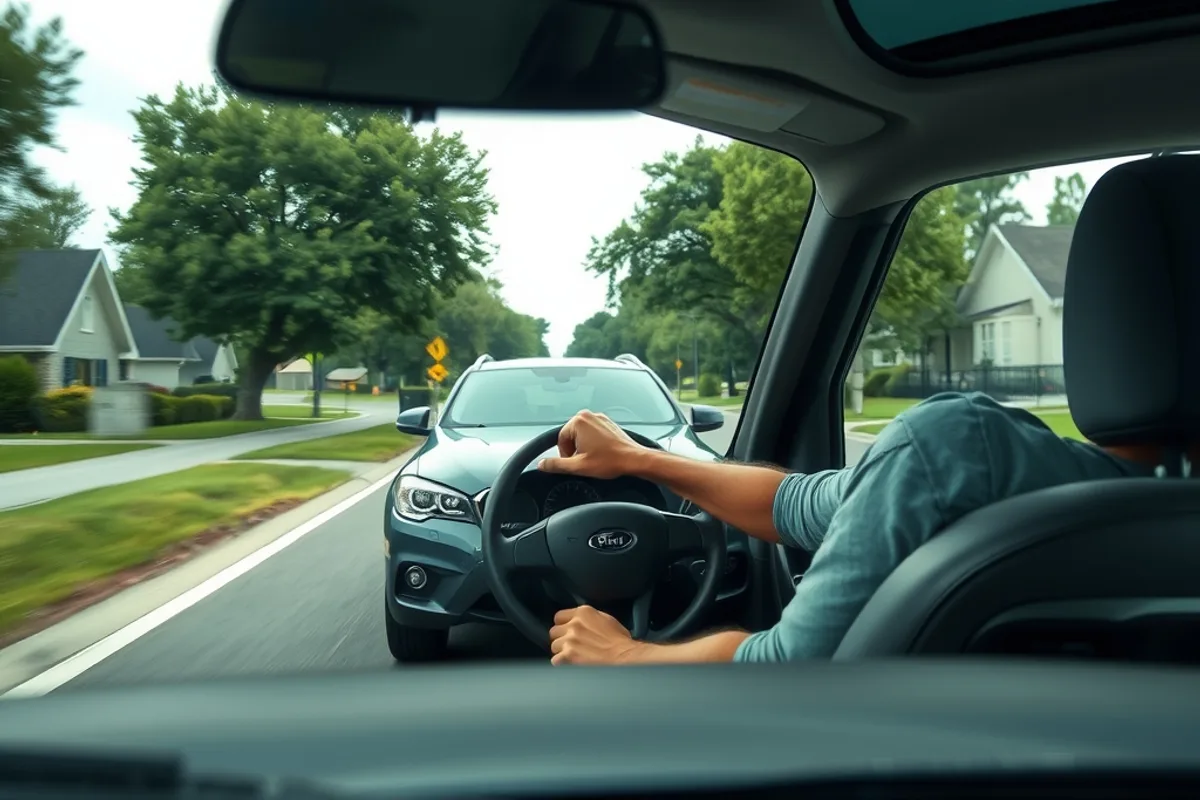
The test drive that tells you the truth
Start the engine from cold and listen for rattles, tapping or a rough idle. Let it idle for a minute before you drive, and watch for smoke from the exhaust. A seller who has already warmed the car is hiding something.
Drive at least 15 minutes on varied roads. Test the brakes firmly, accelerate onto a slip road, and go over a few bumps with the radio off. Check that every warning light goes out and that the gearbox shifts smoothly, especially when cold.
There is always another car. There is not always another three thousand pounds for a new gearbox.
Get an independent inspection
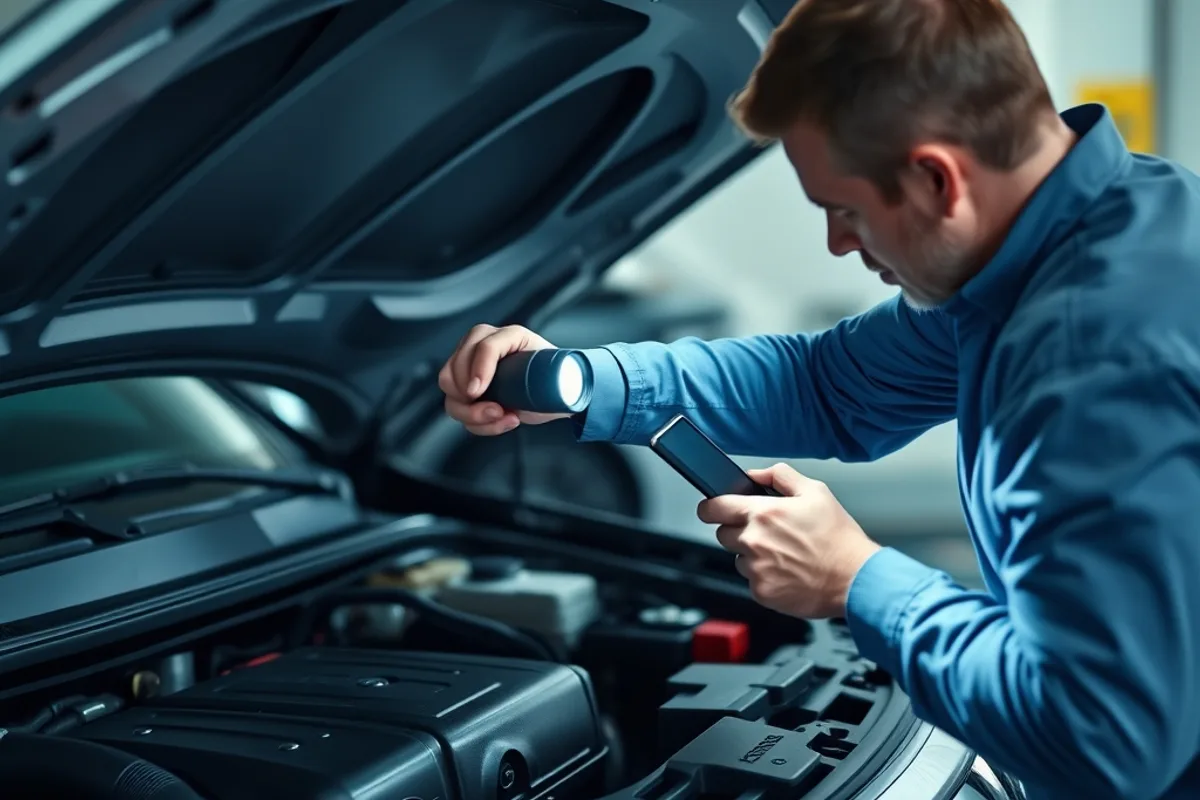
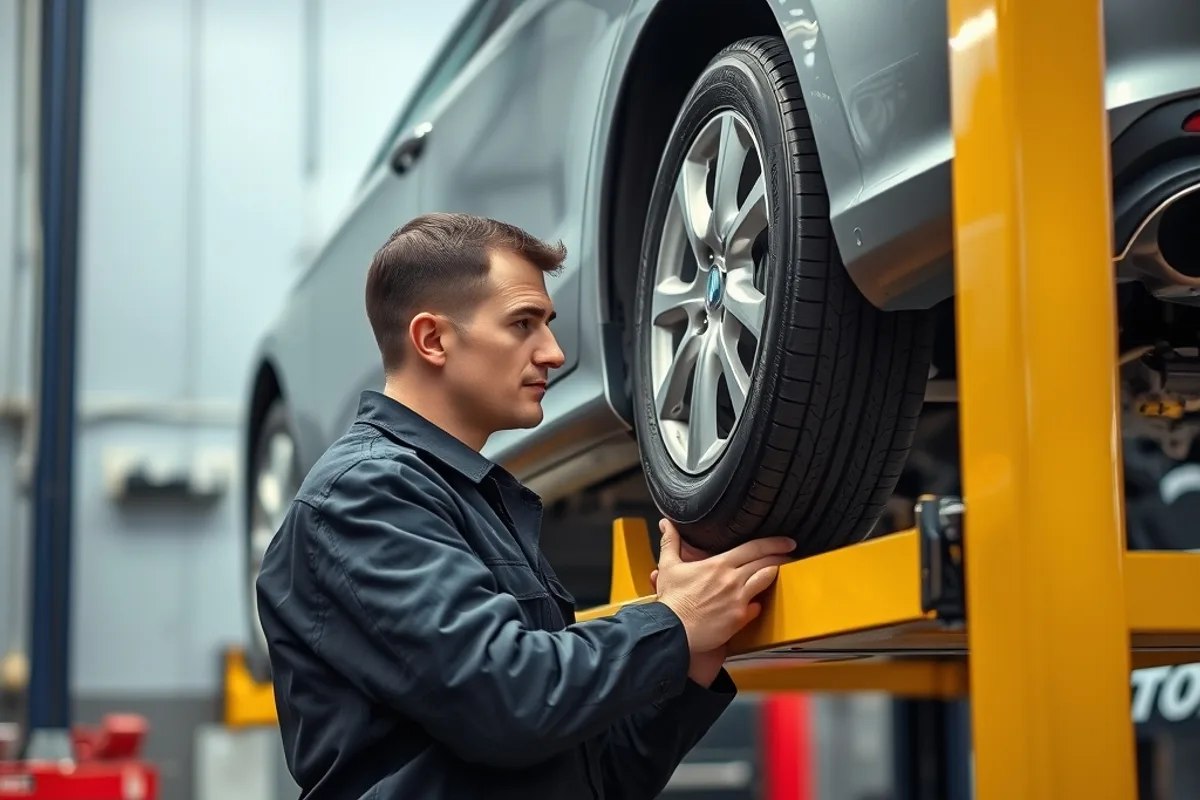
A pre-purchase inspection by an independent mechanic is the best money you will spend. They can put the car on a lift, check the suspension, read fault codes and spot the leaks you cannot see from the driveway.
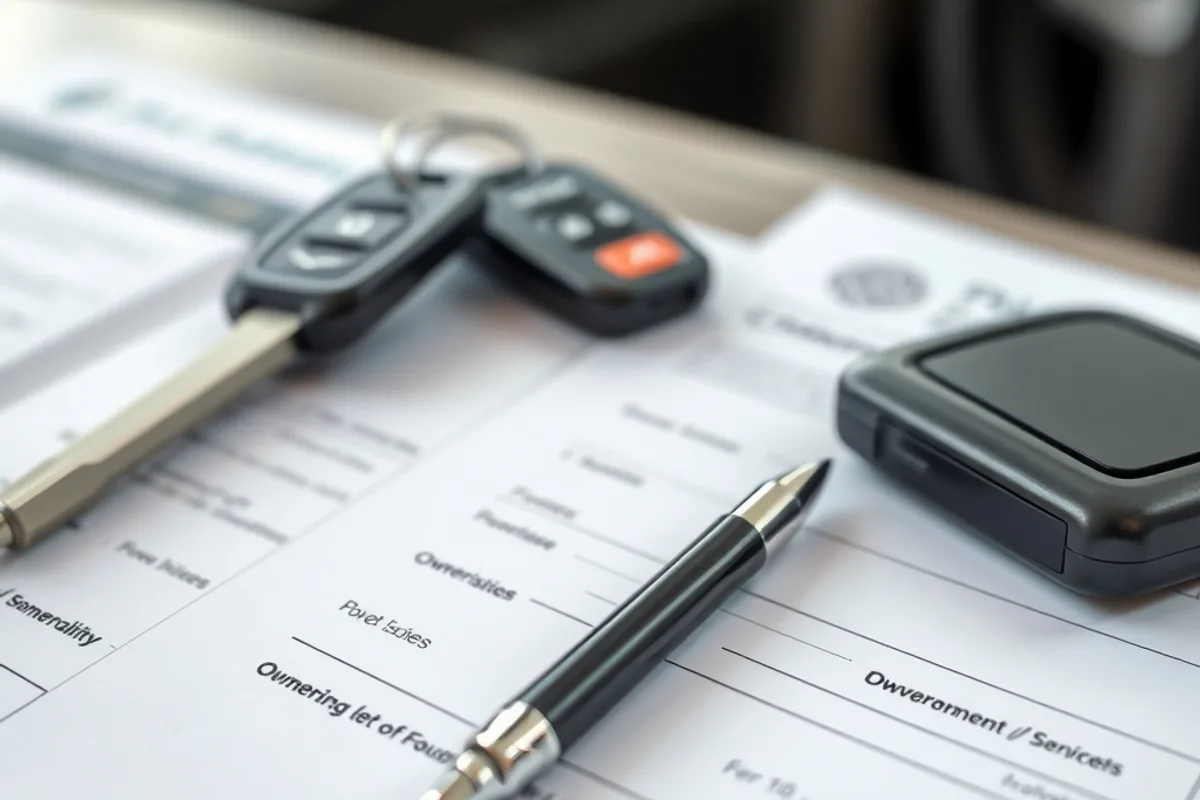
Match the VIN on the car to the paperwork, confirm the seller's identity and address, and check the mileage against the history report. If the seller resists an inspection, that is your answer: walk away.
Negotiate on facts, not feelings
Use the inspection findings, the tyre condition, the service history and comparable listings to justify your offer. Be polite, specific and ready to leave. A seller who will not move on a car with worn tyres and a missed service is not offering a bargain.
Never pay a deposit before you have seen the car and the paperwork, and never send money to hold a car you have not inspected. A legitimate seller will accept a deposit at the viewing, with a receipt.
Paperwork and the first week
Complete the transfer documents, keep a copy, and confirm the tax and insurance before you drive away. Check whether the car has any outstanding recalls and book them with a dealer, which is usually free.
Change the oil and filters if the history is uncertain, check the tyre pressures and keep the first repair receipts. For the routine that follows, use our maintenance schedule, and budget the purchase with our finance guide.
Official source: nhtsa.gov.