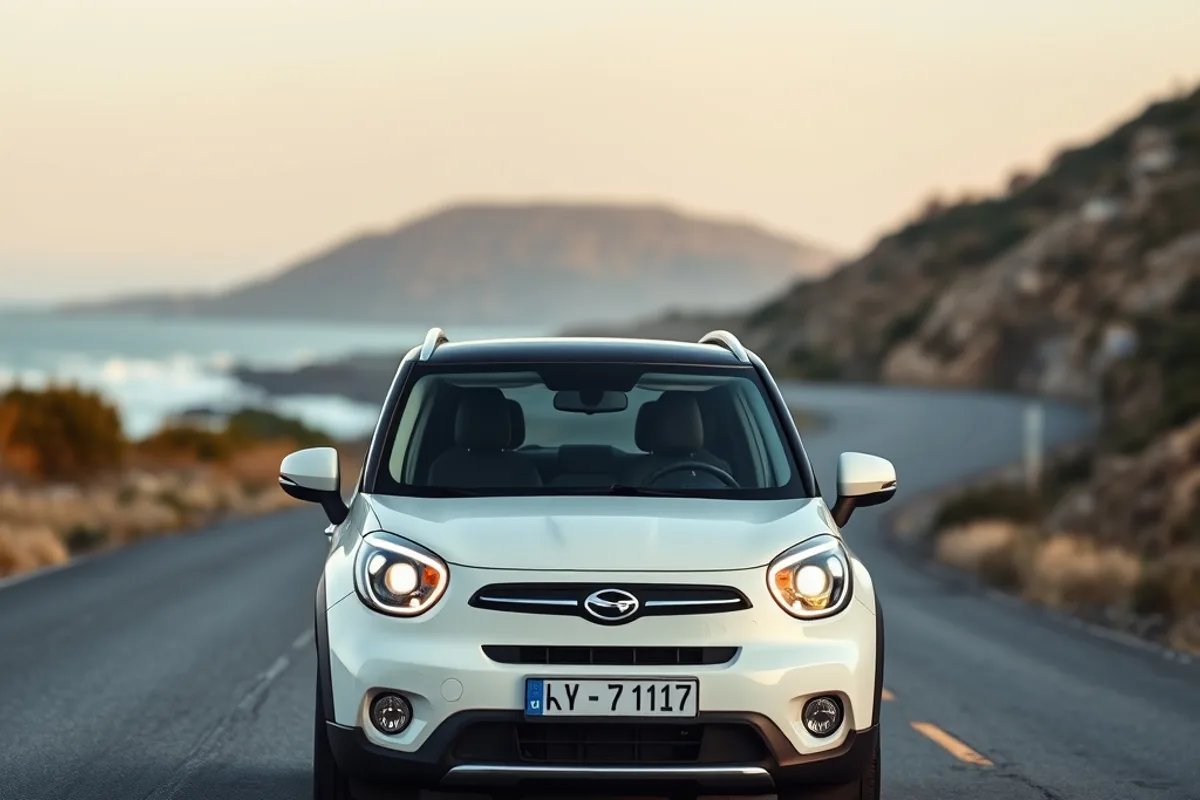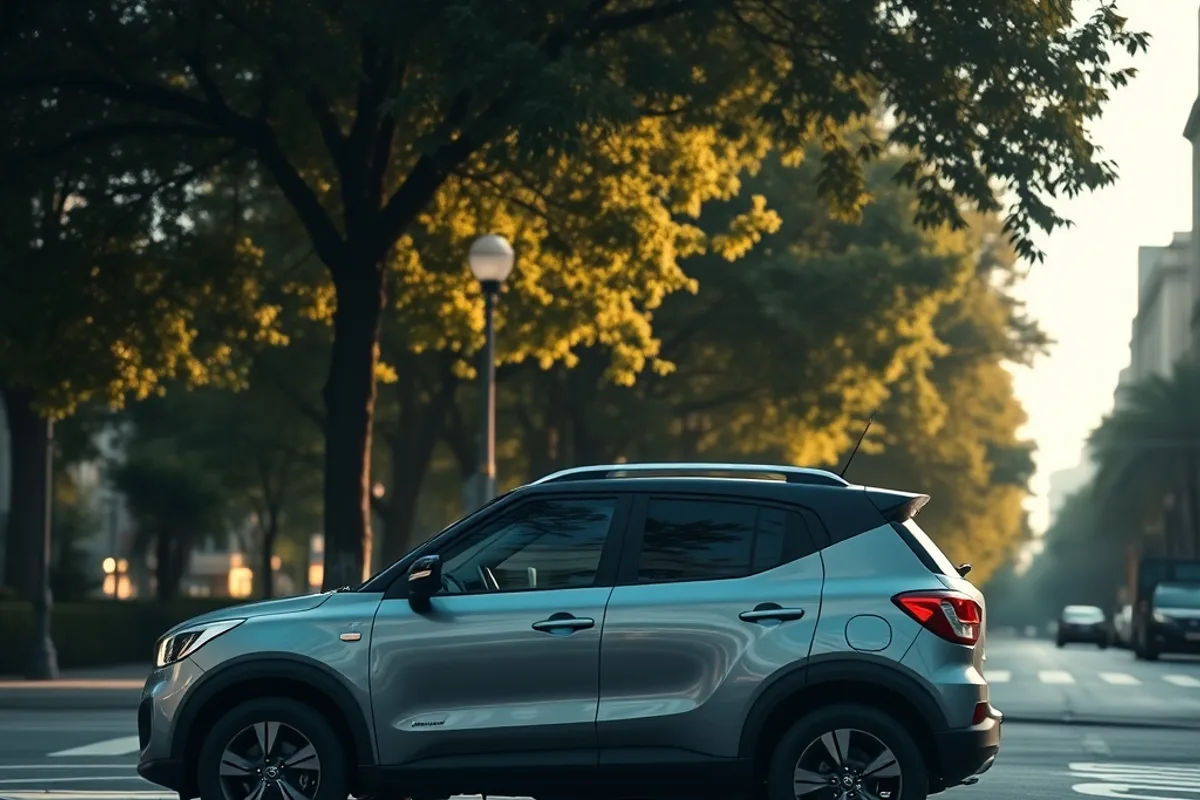
Compact SUVs are not the cheapest, the fastest or the most efficient cars on sale. They are, once again, the most popular. Understanding why explains a lot about what manufacturers build and what buyers are quietly willing to pay for.
This is not a love letter to the segment. It is a look at the practical reasons it keeps winning in 2026, and the situations where the extra height and bodywork cost more than they return.
Key facts
- Compact SUVs typically sit between 4.2 and 4.6 metres long.
- They usually cost 8 to 15 percent more than the hatchback they share parts with.
- Fuel use is often 5 to 10 percent higher than the equivalent hatchback.
- Raised seating and easy child-seat access drive most purchases.
- Depreciation is often slower than for saloons and estates.
The numbers behind the popularity
In most major markets, compact SUVs now account for roughly one in three new passenger car sales. That share has held through high interest rates and flat wages, which tells you the appeal is structural rather than a passing fashion.
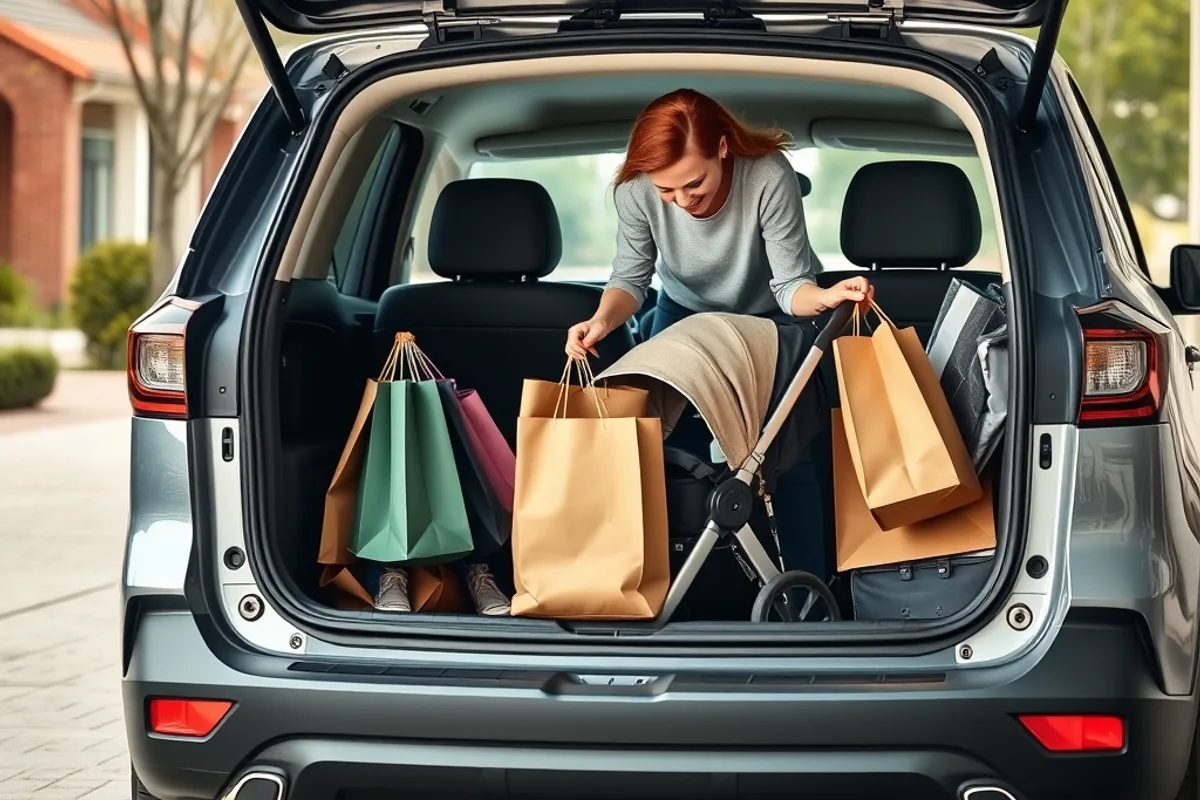
The reason is simple: the body shape solves everyday problems. A taller boot opening swallows a pushchair, the raised seat is easier for older passengers, and the upright cabin feels roomier than the exterior dimensions suggest.
The size sweet spot
Most buyers land on a car around 4.3 to 4.5 metres long. That is short enough to park in a normal space and long enough for two adults and two children to sit comfortably, with a boot that handles a weekly shop and a folded stroller.
Go much larger and you pay in fuel, tyres and parking stress. Go smaller and the boot and rear seat start to compromise the exact jobs the body style was chosen to do.
What the extra height costs you
A compact SUV shares its platform with a hatchback but carries more weight and worse aerodynamics. Expect fuel use to rise by roughly 5 to 10 percent in mixed driving, and tyres to cost more because the sizes are larger and heavier.
Insurance can also be higher, partly because the cars are more expensive to repair. None of this makes them bad value, but the monthly cost is real and it should be compared against the hatchback sitting in the same showroom.
The electric pressure
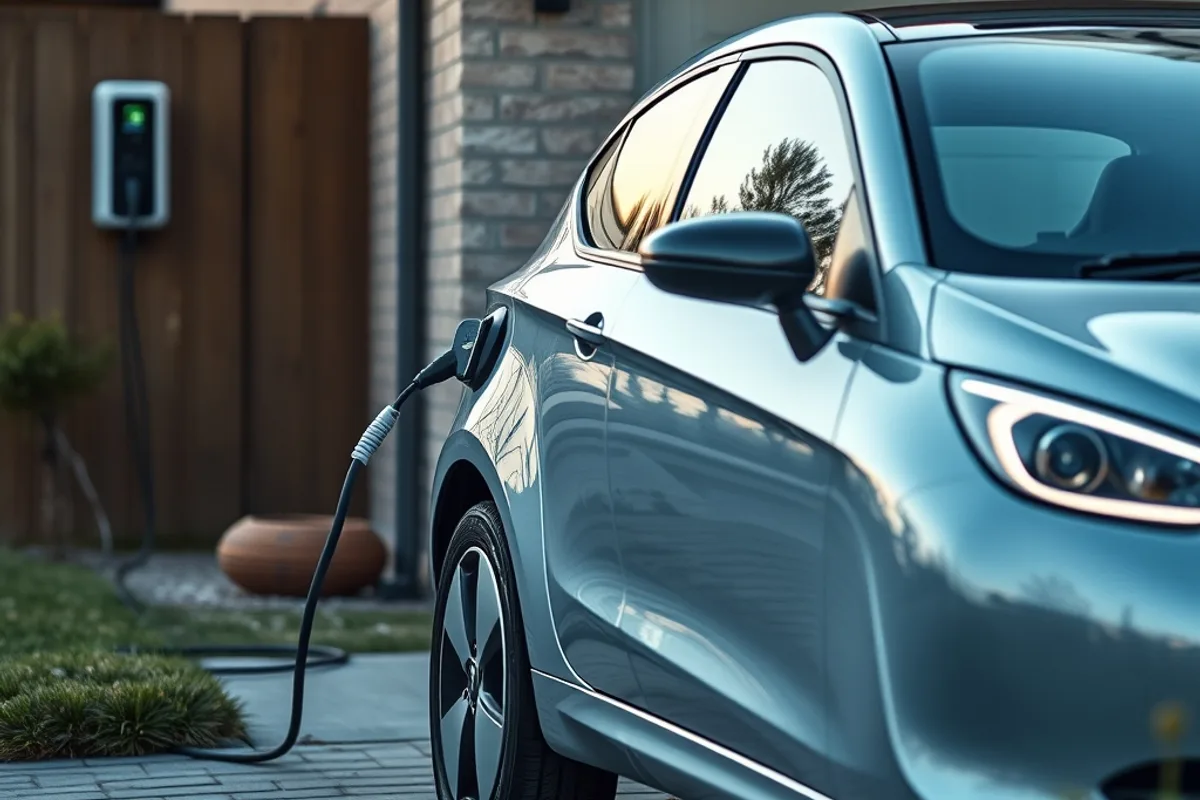
Electric compact SUVs have become the default shape for new EV launches because the battery fits under the floor without stealing boot space. That has pushed petrol and hybrid prices down as makers defend their volume models.
Buyers now face a genuine choice: a cheaper combustion compact SUV with a proven service network, or an electric equivalent with lower running costs and a different set of compromises. Our EV charging cost guide runs the numbers.

The compact SUV is not the best car at anything. It is simply good enough at almost everything.
Cabin tech is now the battleground
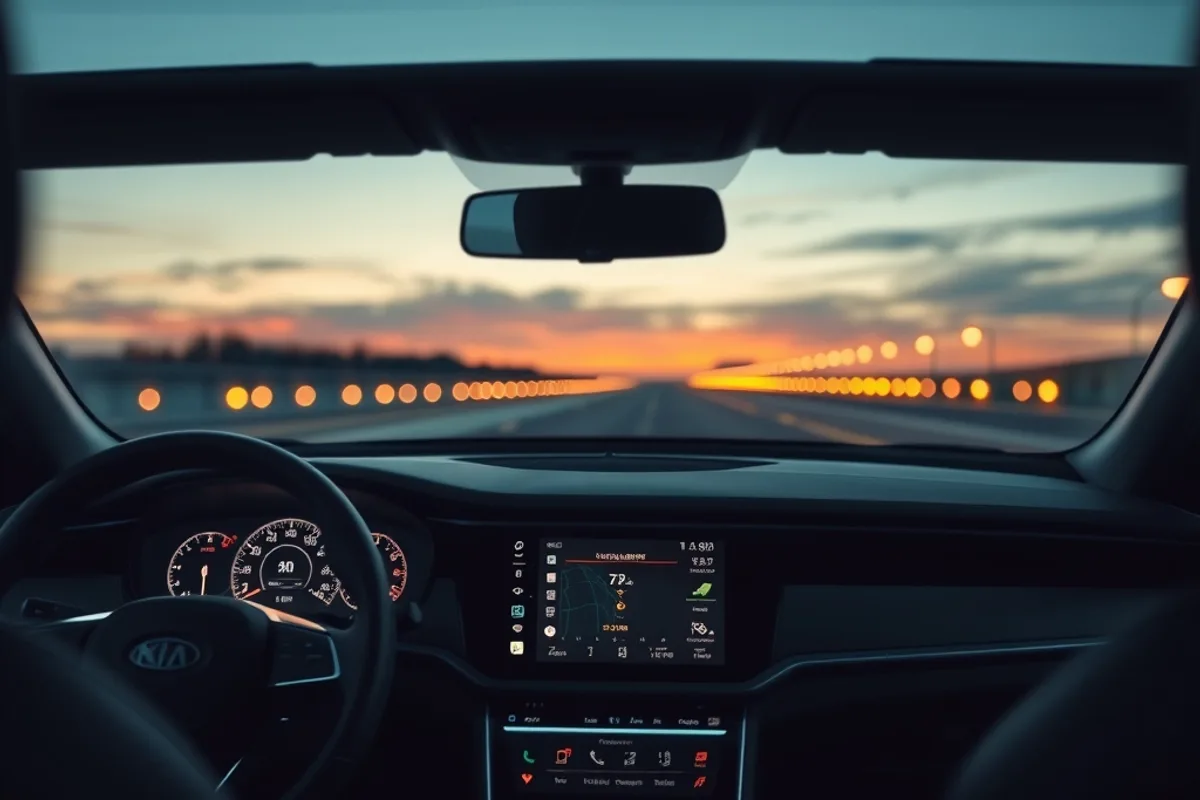
With engines and platforms increasingly shared, screens and software have become the main way makers differentiate. That is good for buyers who want modern safety systems, and risky for those who keep a car long enough to see the software support end.
Look past the size of the display and check whether the climate controls are physical, whether the safety features work without a subscription, and how the car behaves when the screen is slow. Those details age better than a launch-day demo.
Depreciation and resale strength
Compact SUVs tend to depreciate more slowly than saloons and estates because demand stays strong in the used market. A three-year-old example with a full service history is easy to sell privately, which is not true of every body style.
The advantage is not unlimited. A high-spec model with expensive tyres, complex suspension and a weak dealer network can still lose value quickly. The safest picks are mid-trim cars from brands with a strong local service presence.
When to look elsewhere
If you drive mostly alone on motorways, a hatchback or estate will be cheaper to buy, cheaper to run and just as comfortable. If you need maximum boot space for tools or dogs, a van-based MPV or a larger estate often beats an SUV on pure practicality.
The segment wins because it is a good compromise, not because it is best at everything. Decide which job matters most, then compare the compact SUV against the alternative that does that job better. For model-level advice, see our compact SUV review.
Official source: fueleconomy.gov.