Electric cars are cheaper to run than petrol cars, but the saving depends almost entirely on where you charge. A driver with a home wallbox and a cheap overnight tariff can pay a fraction of the fuel bill. A driver relying on public rapid chargers can pay close to petrol money.
This guide runs the numbers for 2026, including the effect of cold weather and the extras that make up an EV's real monthly cost.
Key facts
- Average EV efficiency: 16 to 20 kWh per 100 km.
- Home charging: often 6 to 12 cents per kWh off-peak.
- Public rapid charging: typically 3 to 5 times the home rate.
- A 50 kWh battery costs roughly 8 to 10 dollars to fill at home.
- Winter can cut usable range by 20 to 30 percent.
Home charging versus public charging
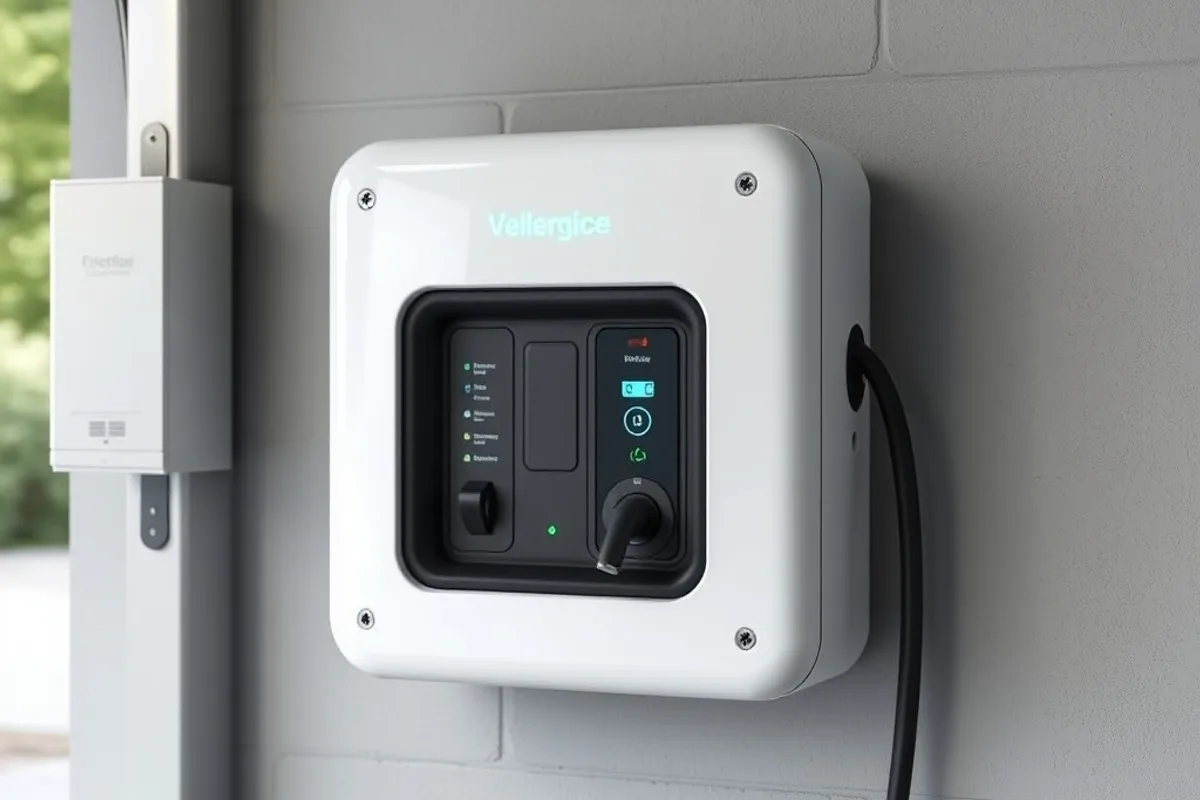
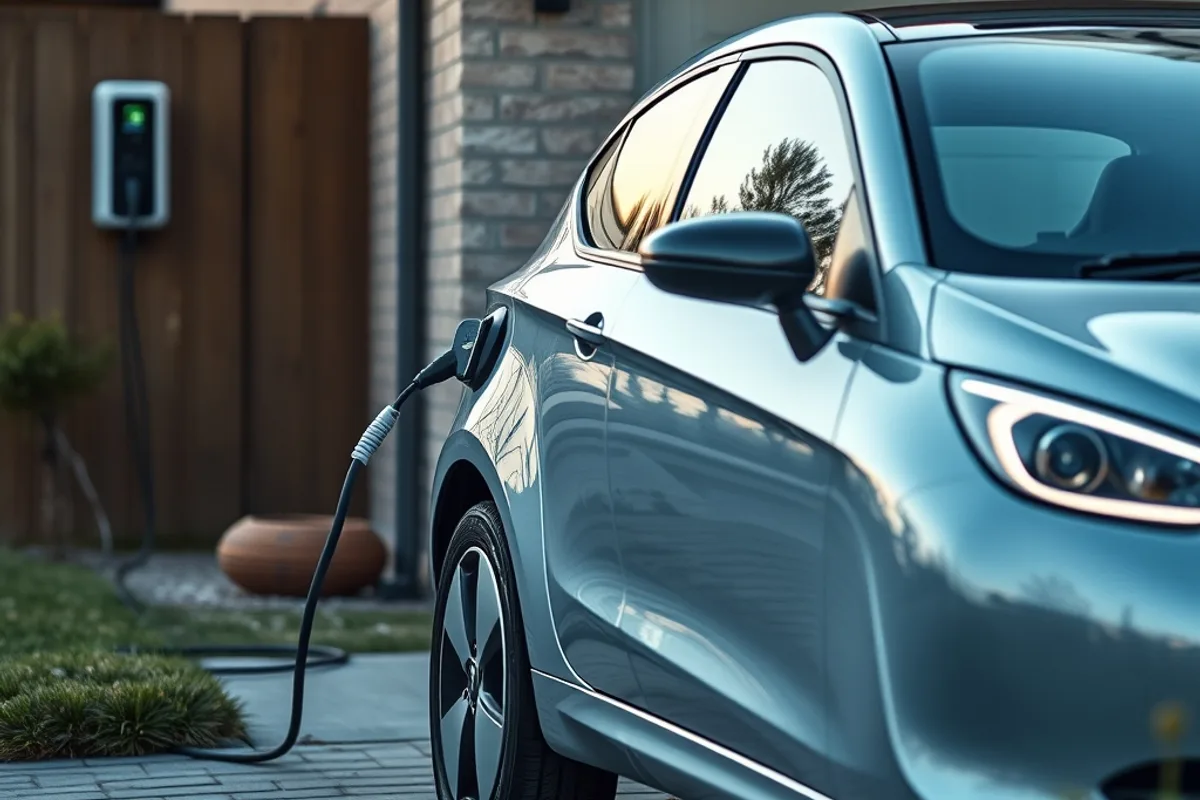
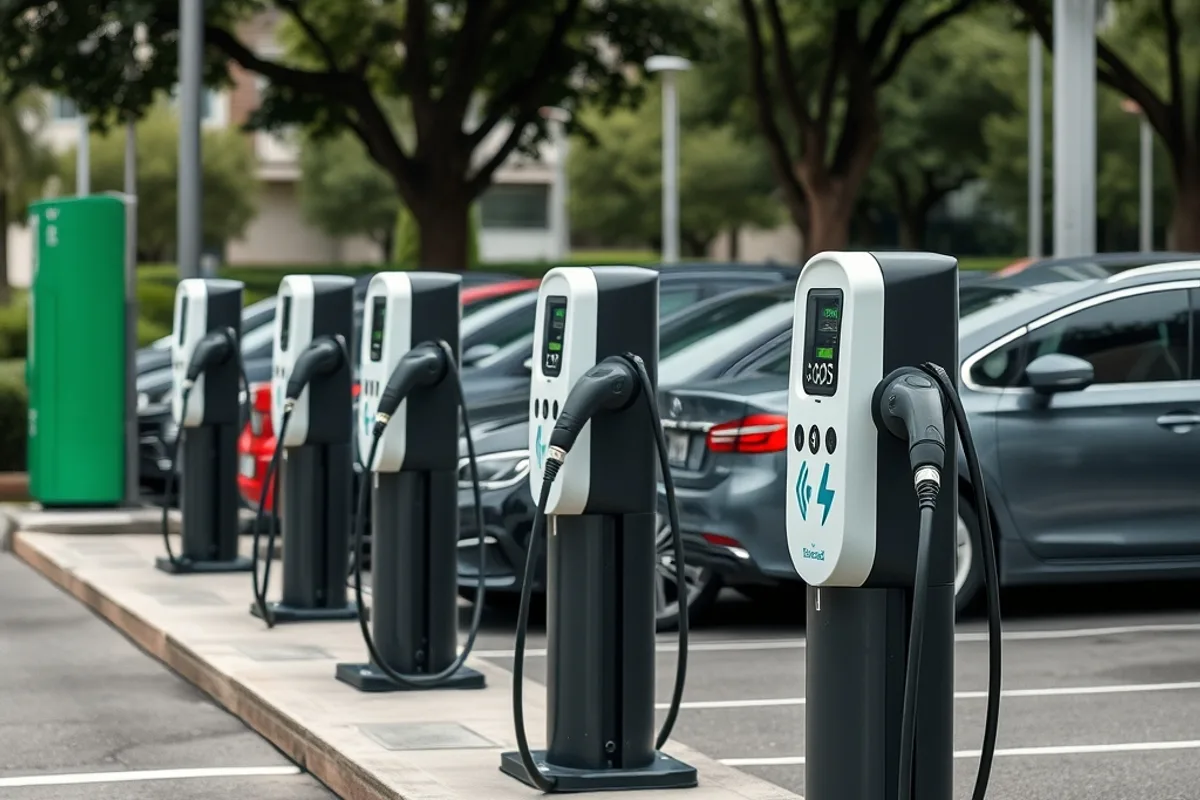
Home charging is the single biggest factor in EV running costs. You pay a domestic electricity rate, often lower overnight, and you rarely need to plan around a charger. Public rapid charging is convenient but priced more like a premium fuel stop.
If you cannot charge at home or at work, budget for public charging from day one. The car may still suit you, but the fuel saving that justified the higher purchase price will be much smaller than the brochure suggests.
The kilowatt-hour maths
An efficient electric car uses about 17 kWh per 100 kilometres in mixed driving. At 10 cents per kWh, that is 1.70 dollars per 100 kilometres. A petrol car using 7 litres per 100 kilometres at 1.60 per litre costs 11.20 dollars for the same distance.
At a public rapid charger charging 50 cents per kWh, the same EV costs 8.50 dollars per 100 kilometres. Still cheaper than petrol in this example, but the gap has narrowed sharply.
Choosing a home tariff
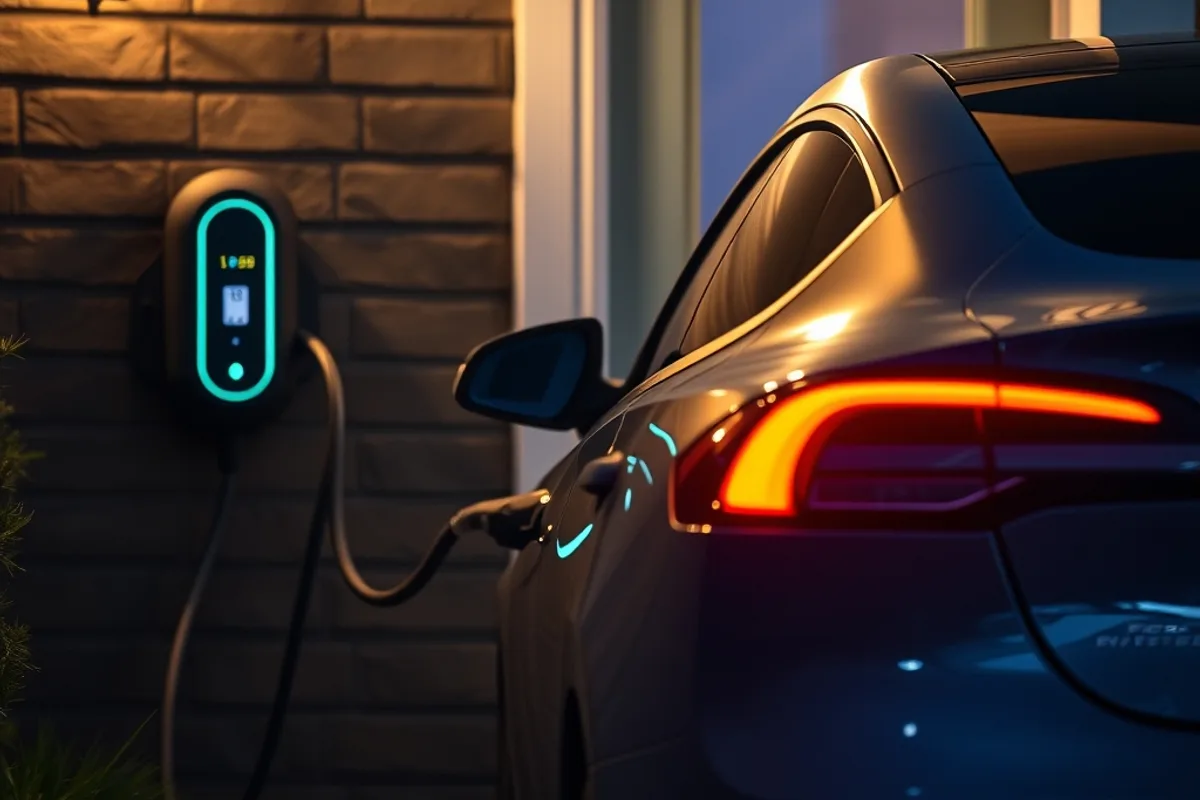
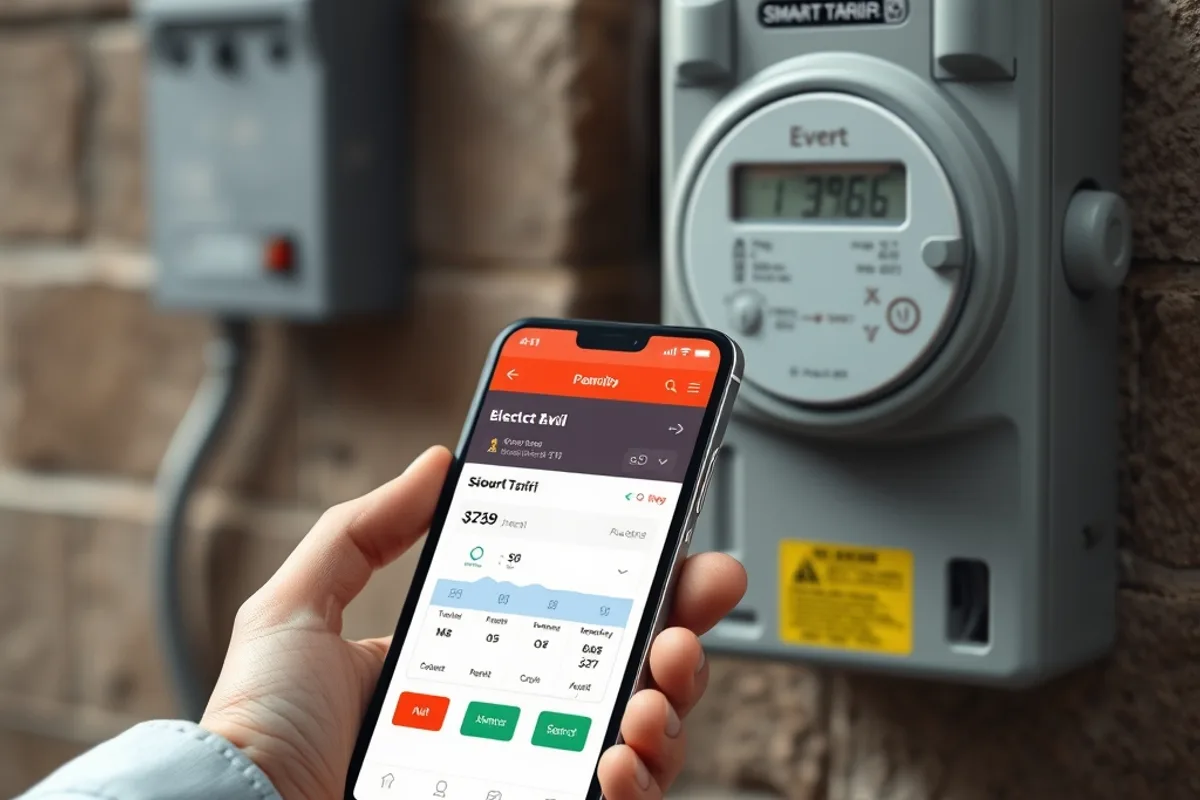
A time-of-use tariff rewards charging overnight, when demand and prices are lower. If your utility offers one, the saving can be substantial, but check the daytime rate too, because a cheap night rate sometimes comes with a more expensive day.
Factor in the standing charge and any requirement to use a smart meter. A tariff that saves five dollars a month on charging but adds ten to your daytime use is not a saving at all.
Public charging and the real cost of a trip
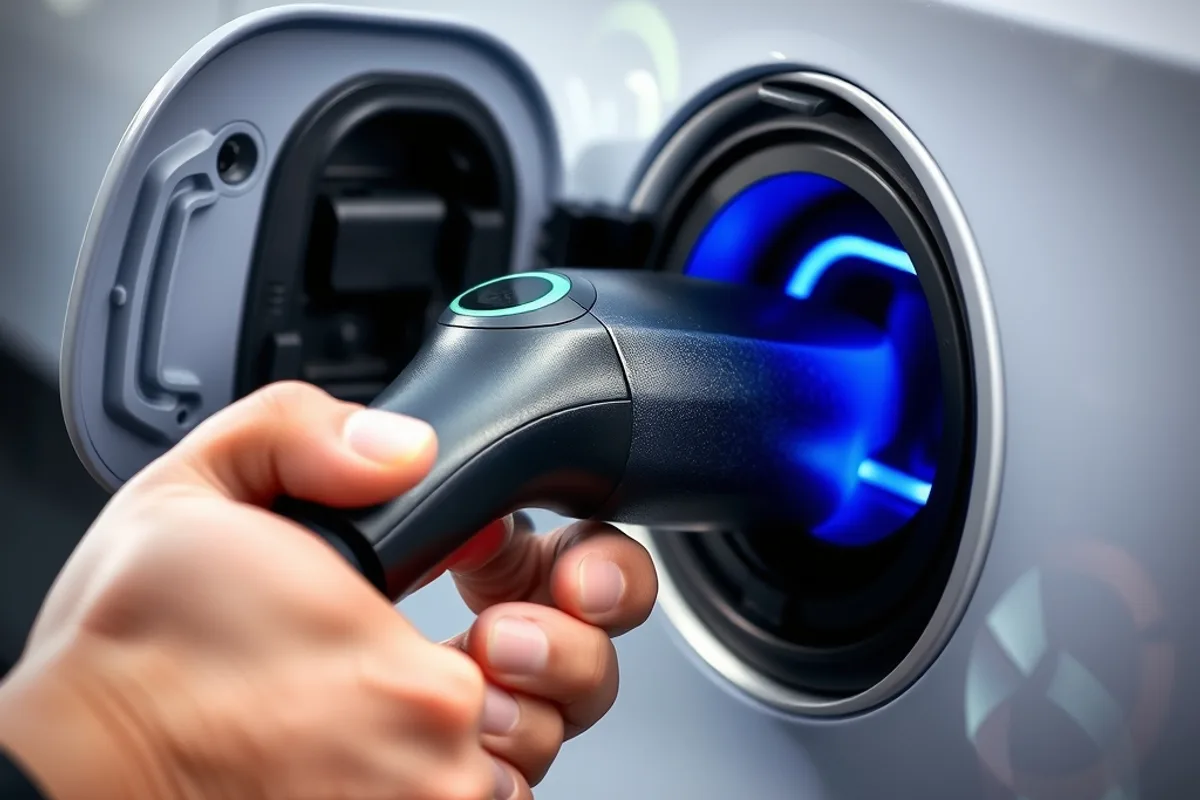
Public charging prices vary widely by network, speed and location. Rapid chargers cost more than slower destination chargers, and some networks add a session fee or an idle fee if you leave the car plugged in after it finishes.
For a long trip, plan two stops and assume you will pay a premium for speed. The total may still beat petrol, but the difference is smaller than most EV owners expect before their first holiday.
The cheapest electron is the one you charge overnight at home. Everything else is convenience with a markup.
Winter range and efficiency
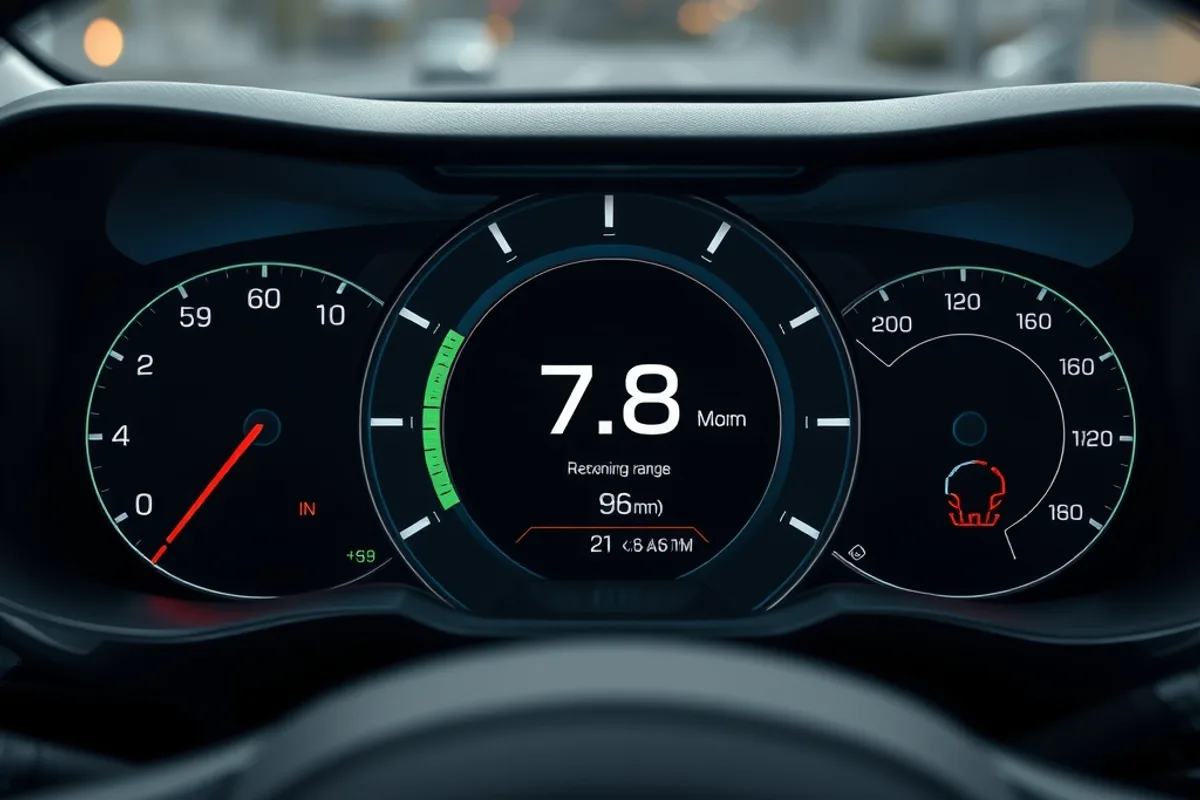
Cold weather reduces battery performance and increases consumption, mainly because the cabin heater uses energy. In our testing, usable range fell by roughly 25 percent on a cold morning compared with mild weather.
Preconditioning the car while it is still plugged in warms the cabin using grid power rather than the battery. Heated seats and a heated steering wheel use less energy than heating the whole cabin, which is why experienced EV drivers rely on them.
Servicing and the costs that remain
EVs avoid oil changes, exhaust repairs and many engine components, so routine servicing is usually cheaper. Tyres, however, wear faster because the car is heavy and the torque arrives instantly, and they are not cheap.
Insurance can be higher due to specialised repairs and battery costs, and home charger installation is a one-off expense. Add those to your budget alongside electricity so the comparison with petrol is honest.
A realistic monthly budget
For a driver covering 1,200 kilometres a month, home charging might cost 20 to 30 dollars, public charging 60 to 100, and a mix somewhere between. Tyres, insurance and servicing add a predictable monthly figure on top.
Write down your own mileage, your parking situation and your electricity rate before you decide. If the numbers work, an EV is genuinely cheaper to run. If they do not, no amount of enthusiasm will change the bill. For the hardware side, read our home charging setup guide.
Official source: fueleconomy.gov.