A home charger turns an electric car from a planning exercise into an appliance you plug in and forget. It is also an electrical installation, not a consumer gadget, and the quality of the setup decides whether charging is fast, safe and cheap.
This guide walks through the practical decisions: what your electricity supply can handle, which charger to choose, what installation involves and how to avoid the common mistakes.
Key facts
- A dedicated 7 kW wallbox adds roughly 40 km of range per hour.
- A standard domestic socket adds only 8 to 12 km per hour.
- Installation typically costs more than the charger itself.
- A qualified electrician must assess the supply first.
- Smart charging can cut costs by using off-peak tariffs.
Assess your parking and supply
Start with where the car parks. A charger needs a safe route for the cable and a mounting point protected from weather. If you park on the street, home charging is usually not possible without a costly and sometimes illegal cable run.
Then check the electrical supply. An older home may have a fuse box with little spare capacity, and adding a 7 kW charger can require an upgrade. An electrician should confirm the available capacity before you buy anything.
Choosing the right charger
For most homes, a 7 kW AC wallbox is the sweet spot. It charges overnight without stressing the supply, and it is cheaper than a faster unit that your car may not be able to use anyway. Check your car's onboard charger limit before paying for speed you cannot access.
Look for a unit with a tethered cable if you want convenience, or a socketed unit if you prefer flexibility. Smart features are useful only if they work with your tariff and your car; a charger that needs three apps to start is a daily irritation.
The electrical check that matters
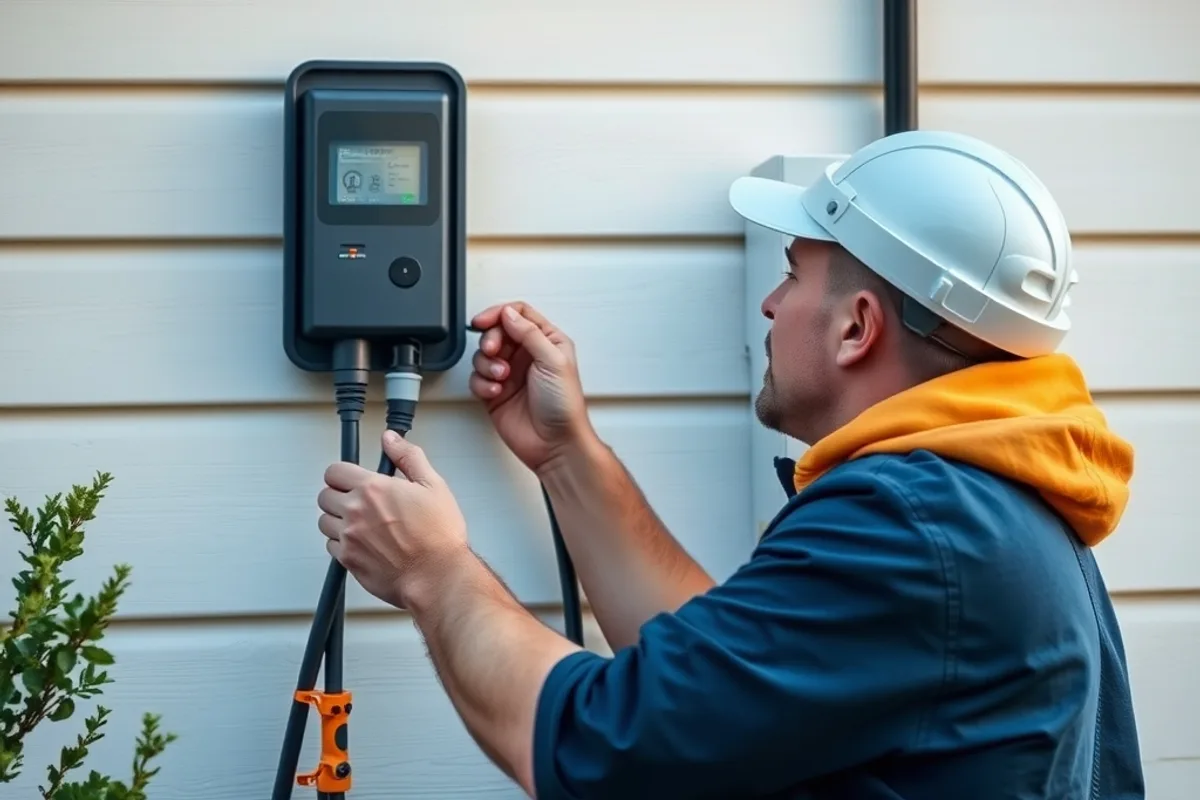
The installer should check earthing, protection devices and cable sizing, not just the fuse box rating. A proper installation includes a dedicated circuit and residual current protection suitable for EV charging.
Ask for the test results and the certificate. A cheap installation that bypasses protection is a fire risk, and insurance companies take a dim view of un certified electrical work.
Installation day and what to expect
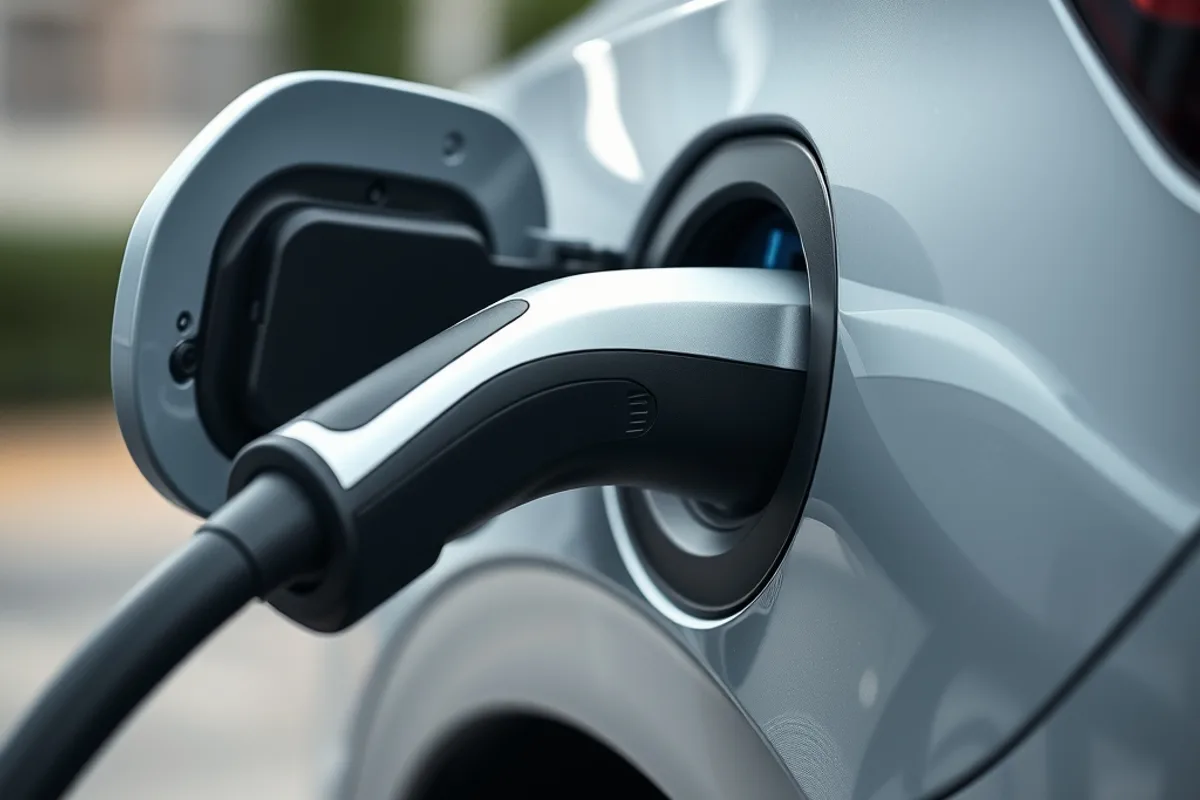
A straightforward installation takes half a day. The electrician mounts the unit, runs the cable, fits the protection and tests the circuit. Longer cable runs, a detached garage or a supply upgrade can turn it into a two-day job.
Get a written quote that includes the cable run, protection, labour and any trenching. The charger price is often the smallest part of the bill, and a vague quote is where budgets go wrong.
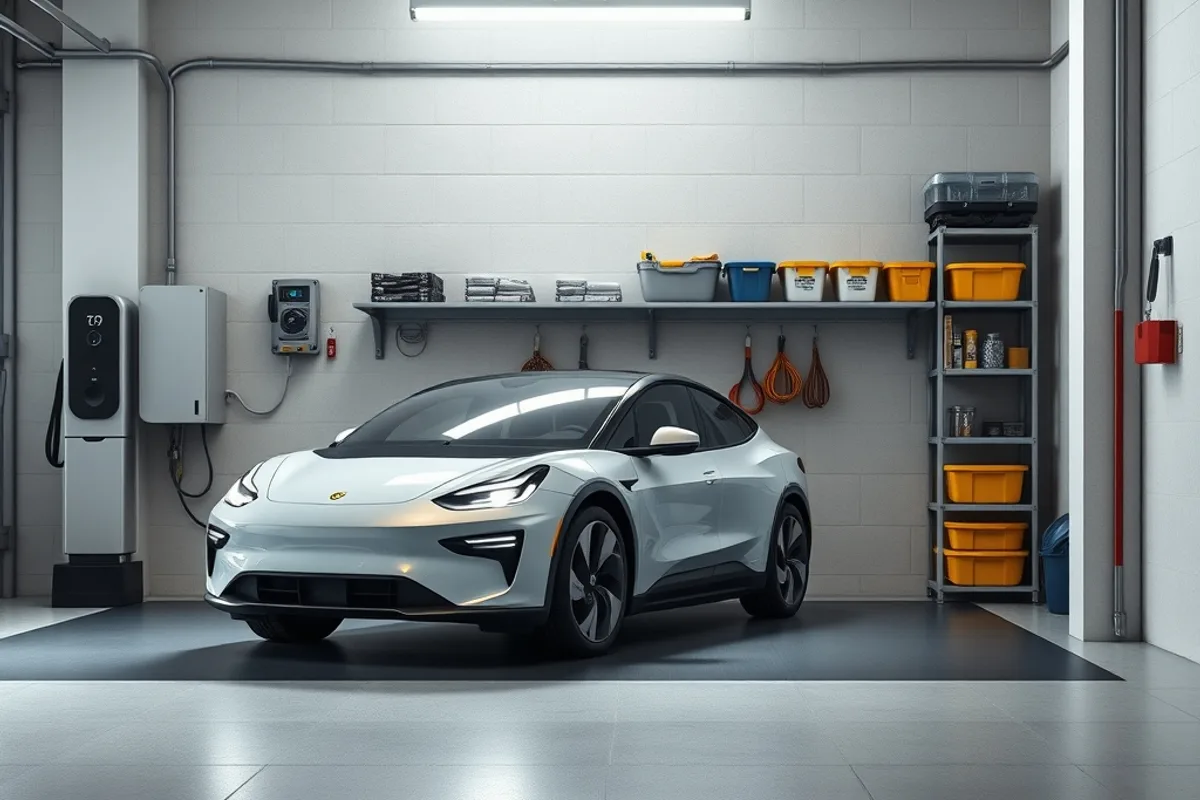
The best charger is not the fastest one. It is the one installed properly on a circuit that can carry it.
Smart scheduling and cheap electrons
If your utility offers a time-of-use tariff, schedule charging for the cheap window. Most cars and chargers can do this automatically, and it is the easiest saving in EV ownership.
Set the car to precondition while still plugged in on cold mornings. That warms the cabin on grid power and protects range, which matters more than a slightly longer charge session.
Safety habits that matter
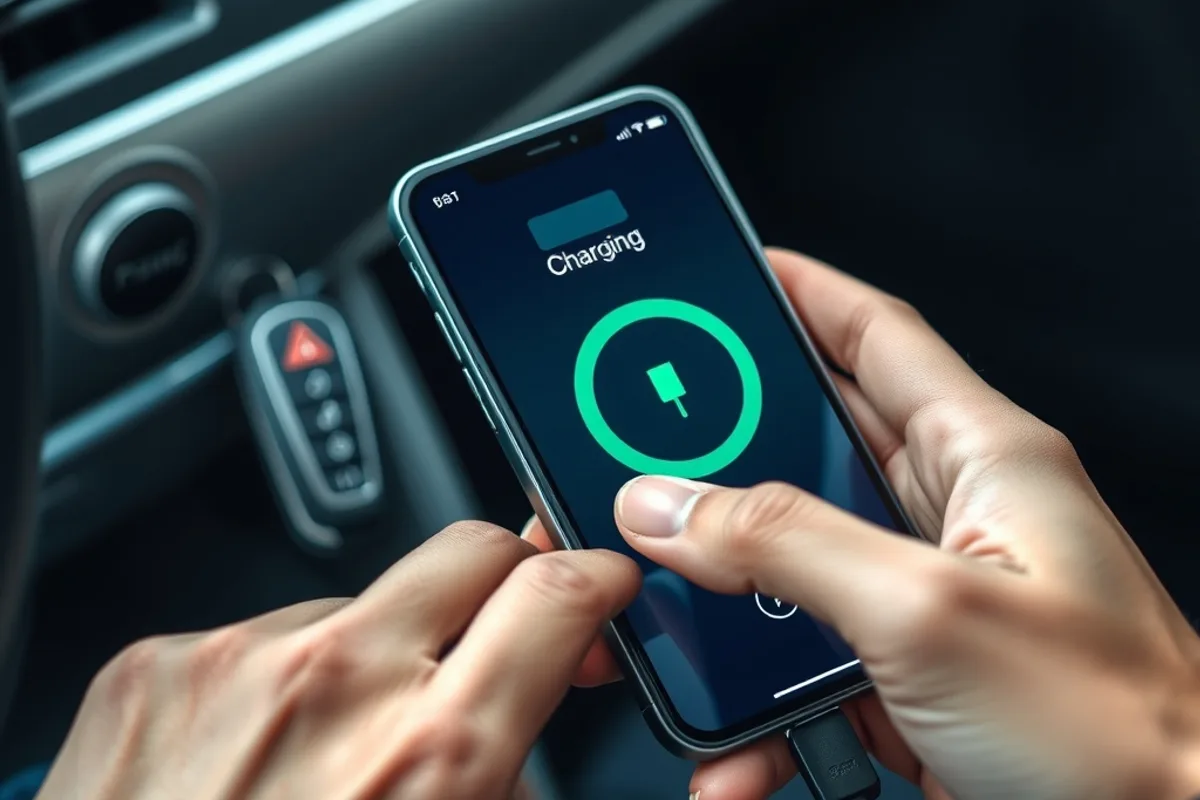
Do not use a domestic extension lead for regular charging. Even a good lead is not designed for hours of continuous load, and the socket can overheat. Use the dedicated wallbox or a properly rated outdoor socket.
Keep the cable clear of walkways, check the plug for heat after a session, and have the installation inspected if anything feels warm or trips the breaker. Water and electricity are a bad combination, so use a unit rated for outdoor conditions.
Costs and payback
A wallbox and installation commonly cost several hundred to a few thousand dollars depending on the cable run and any supply upgrade. Against public rapid charging, the payback can arrive within a year or two for a high-mileage driver.
The bigger saving is convenience: you leave every morning with a full battery and rarely visit a public charger. For the running-cost comparison, see our EV charging cost guide.
Official source: energy.gov.