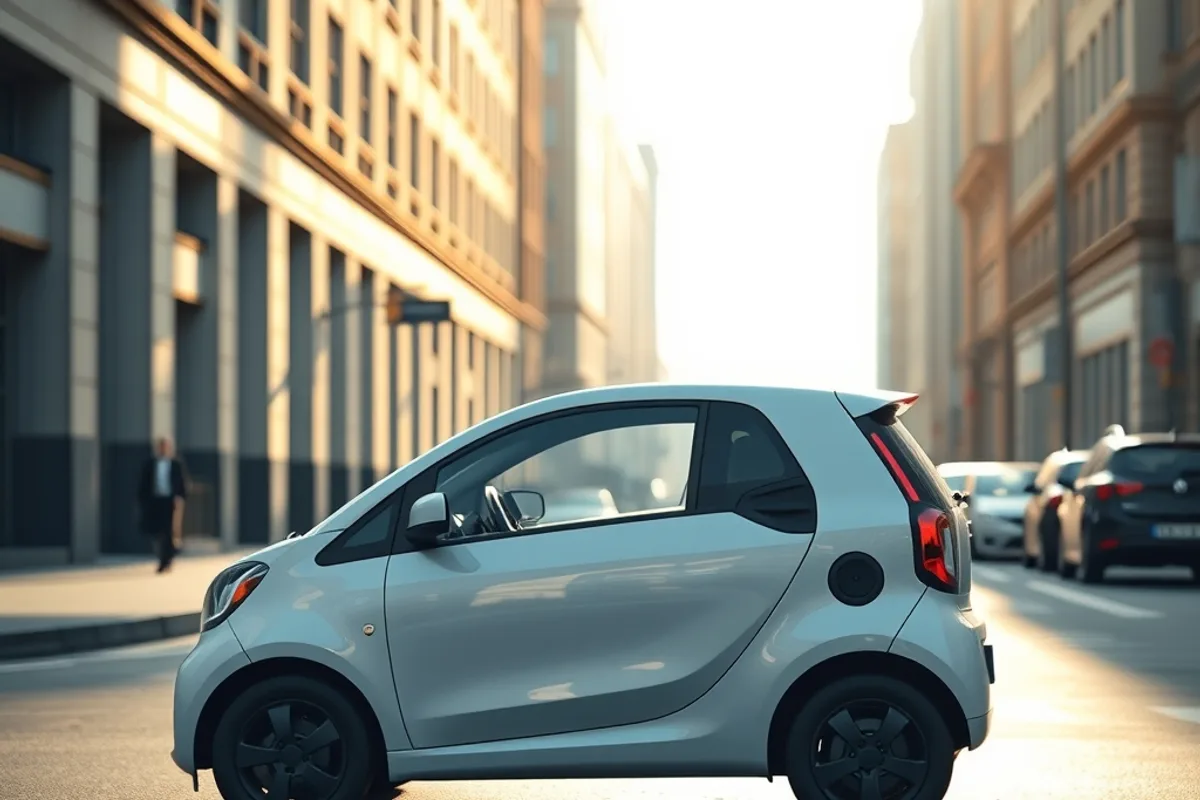
Small electric hatchbacks make the strongest case for electrification. They are light, efficient and cheap to run, and they do not ask you to pay for a battery you will never use. We tested one for five days of ordinary city life, including a cold morning and a motorway trip.
The question is not whether it is a good electric car. It is whether it is a good car for your particular week, and that comes down to parking, charging and how often you leave the city.
Key facts
- Test car: 52 kWh battery, front-wheel drive, mid trim.
- Real city range: 355 km in mild weather, 268 km on a cold morning.
- Rapid charging: 10 to 80 percent in 32 minutes on a 100 kW charger.
- Home charging cost: roughly one fifth of equivalent petrol per kilometre.
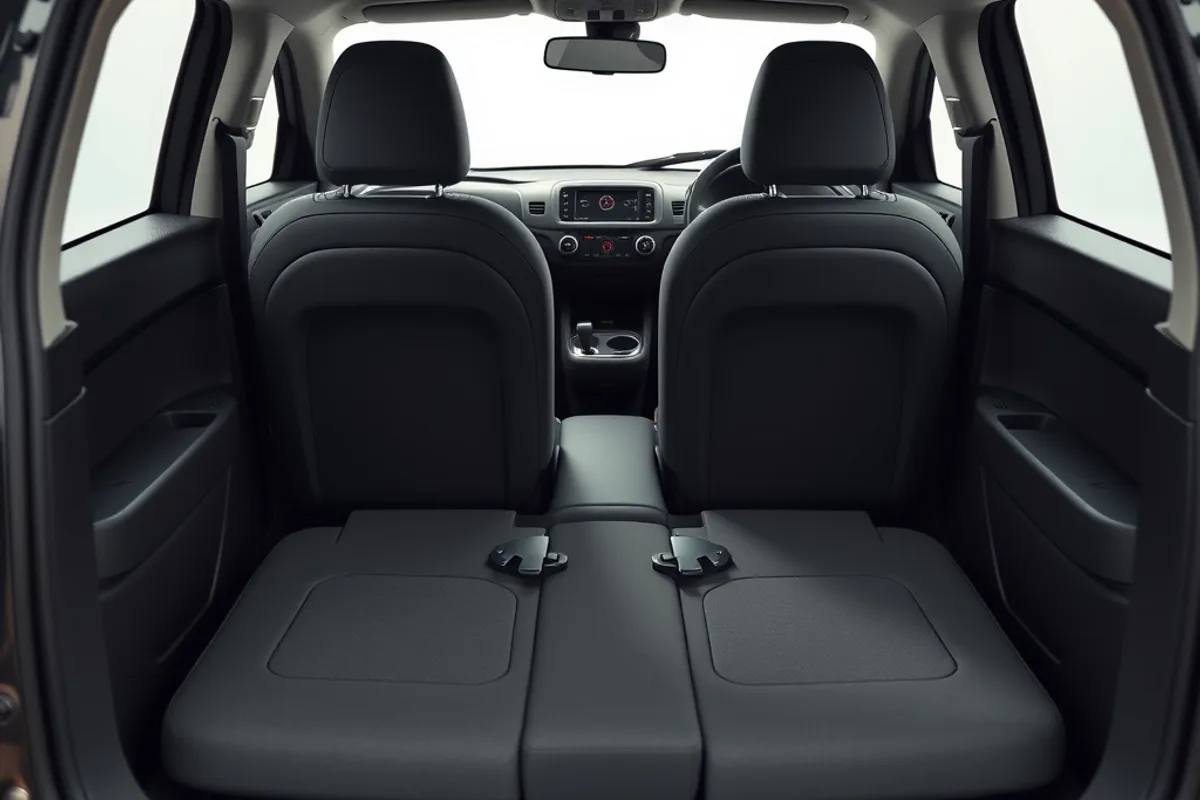
- Boot: 310 litres, rising to 1,050 litres with the rear seats folded.
What we tested and how
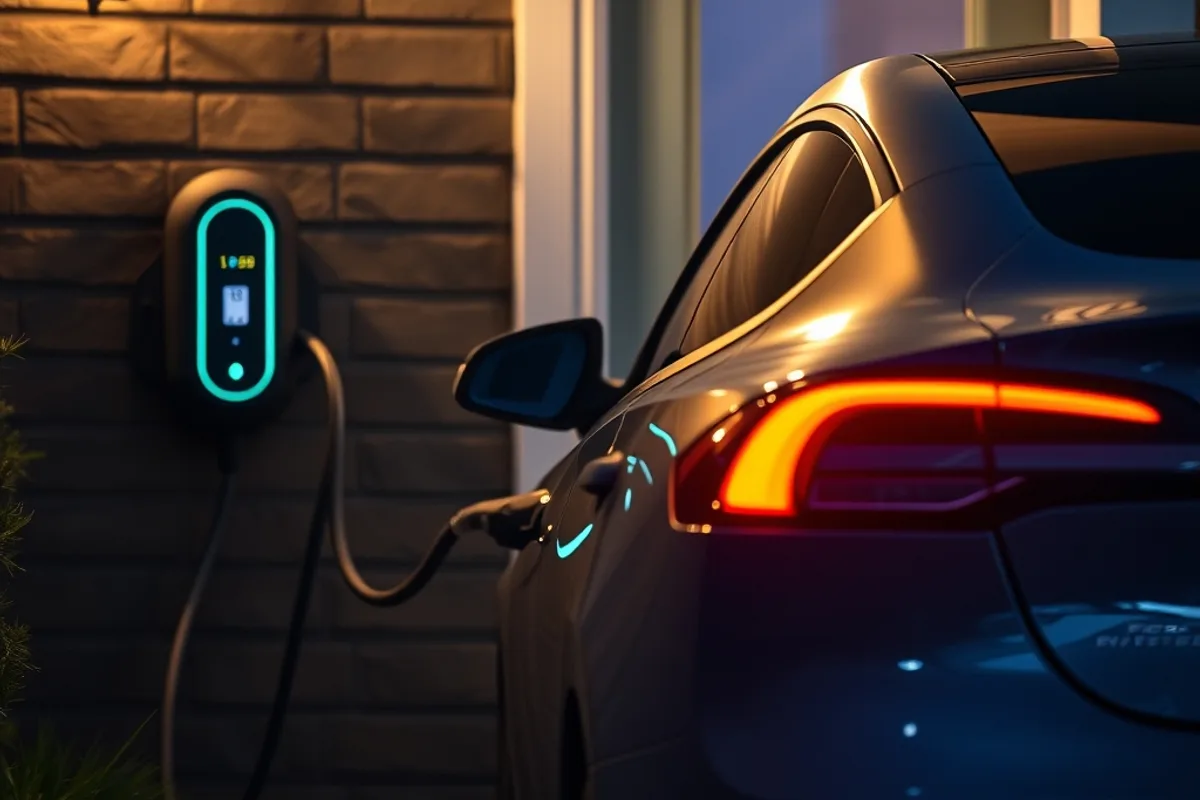
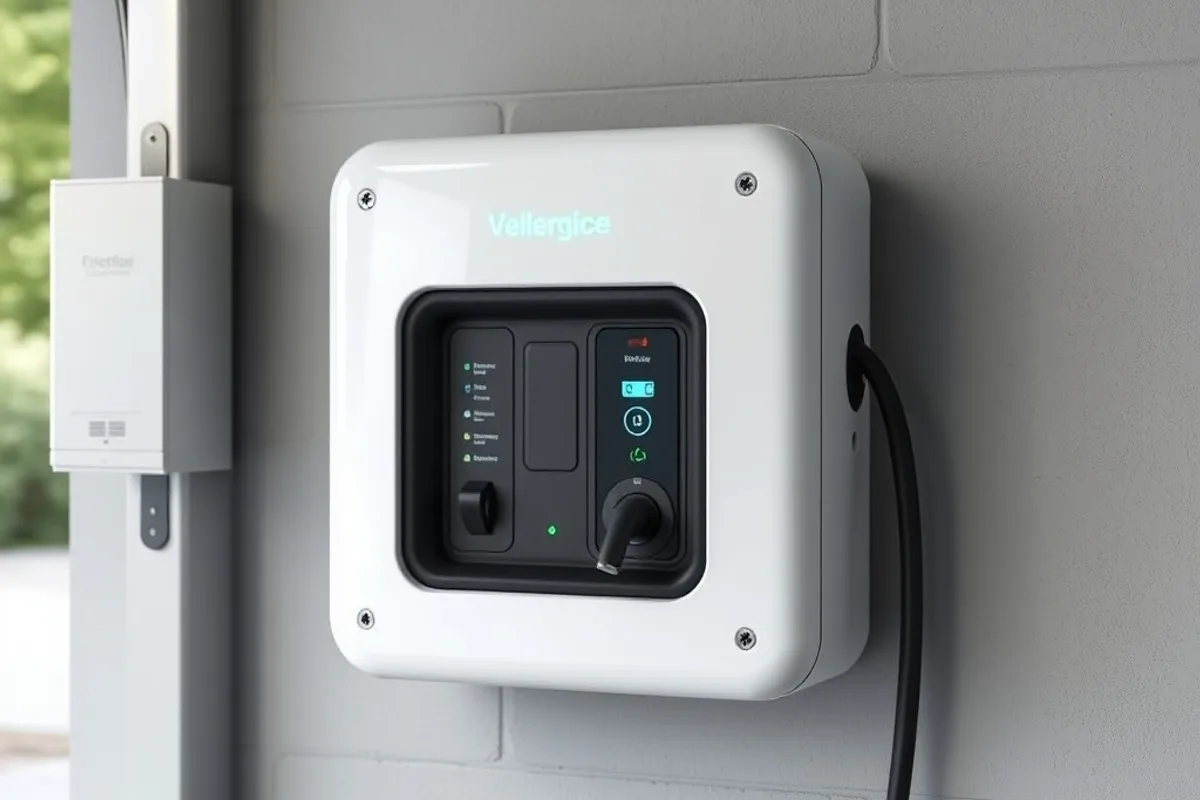
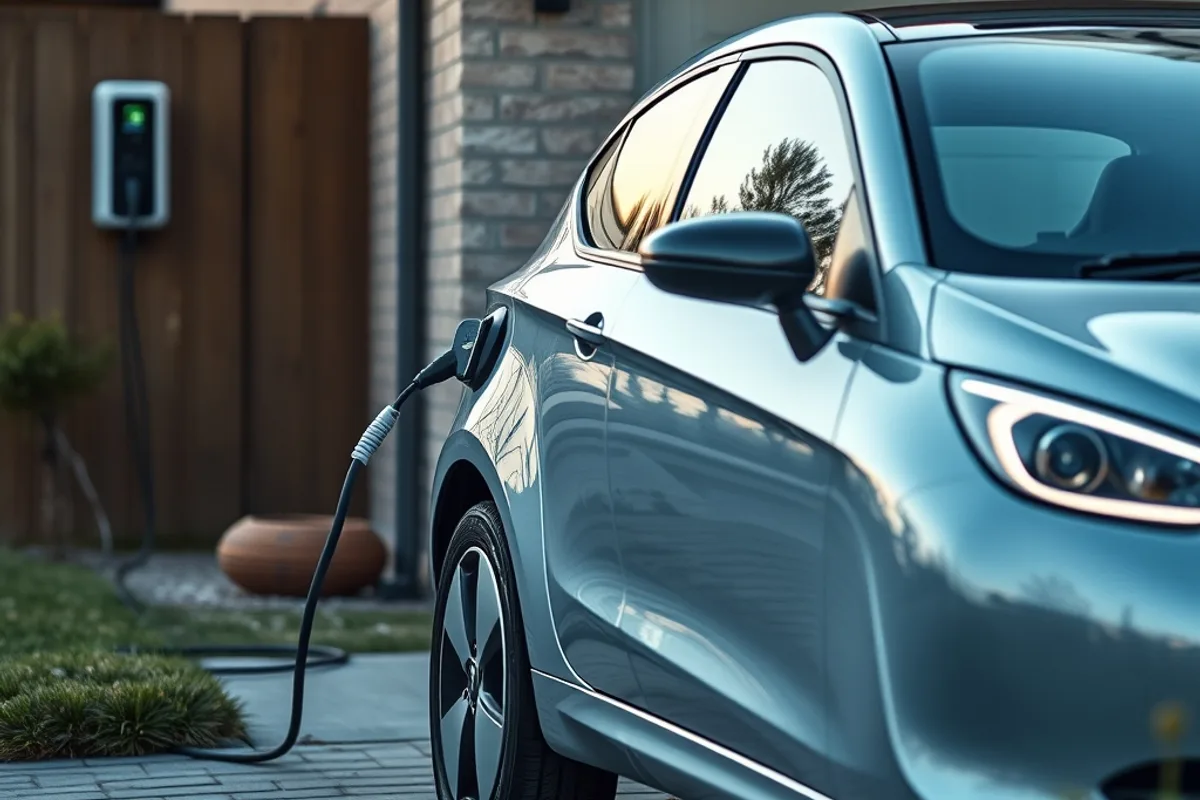
We drove a mid-trim electric hatchback with a 52 kWh battery over 480 kilometres of city streets, suburban ring roads and one 120-kilometre motorway run. We charged at home on a 7 kW wallbox and once at a public rapid charger.
Temperatures ranged from 14 degrees Celsius down to 4 on the final morning, which gave us a useful look at how much range the car loses when the heater is working properly.
Real range versus the official figure
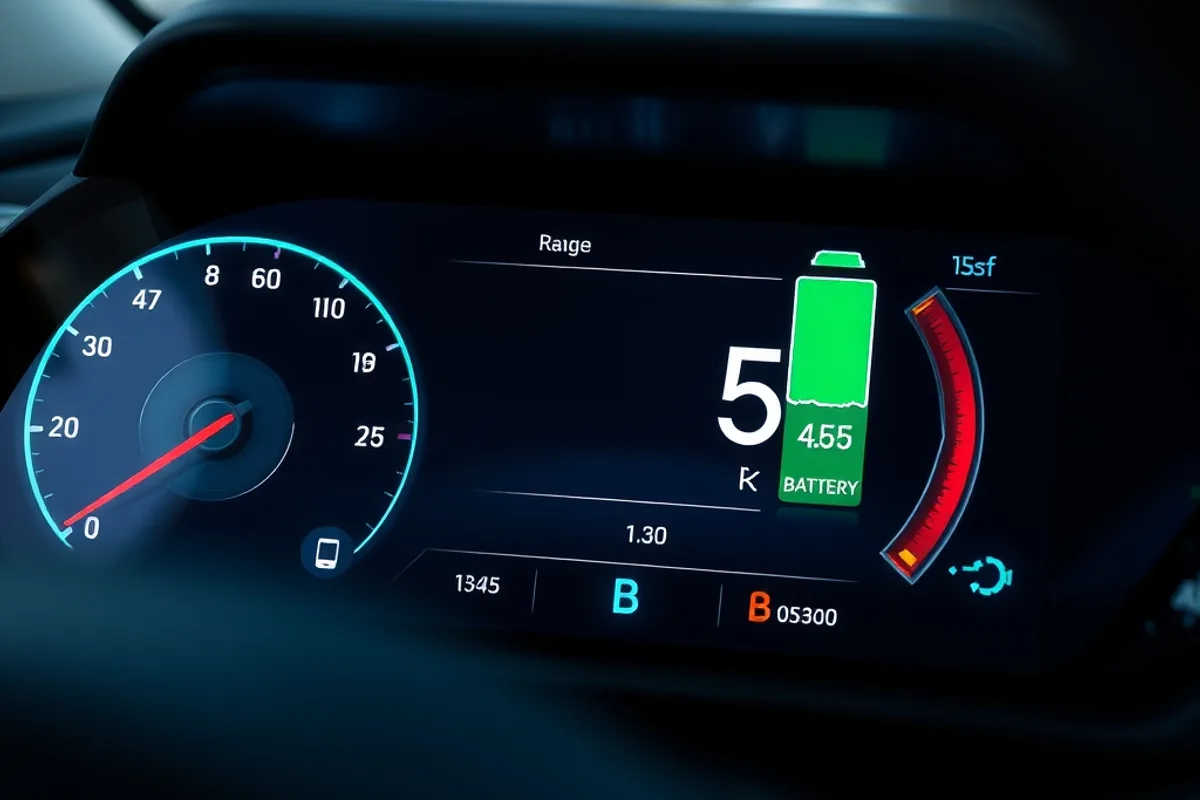
The car is rated at 410 kilometres on the official cycle. In mild city driving we saw an indicated 355 kilometres of usable range, which is close enough to be believable. On the cold morning, with the cabin heated and the seats on, the estimate dropped to 268 kilometres.
That is normal for current batteries, not a fault. The lesson is to plan around 65 to 75 percent of the official figure in winter, and to charge more often than you would refuel a petrol car rather than treating the battery as a weekly event.
Charging speed and public networks
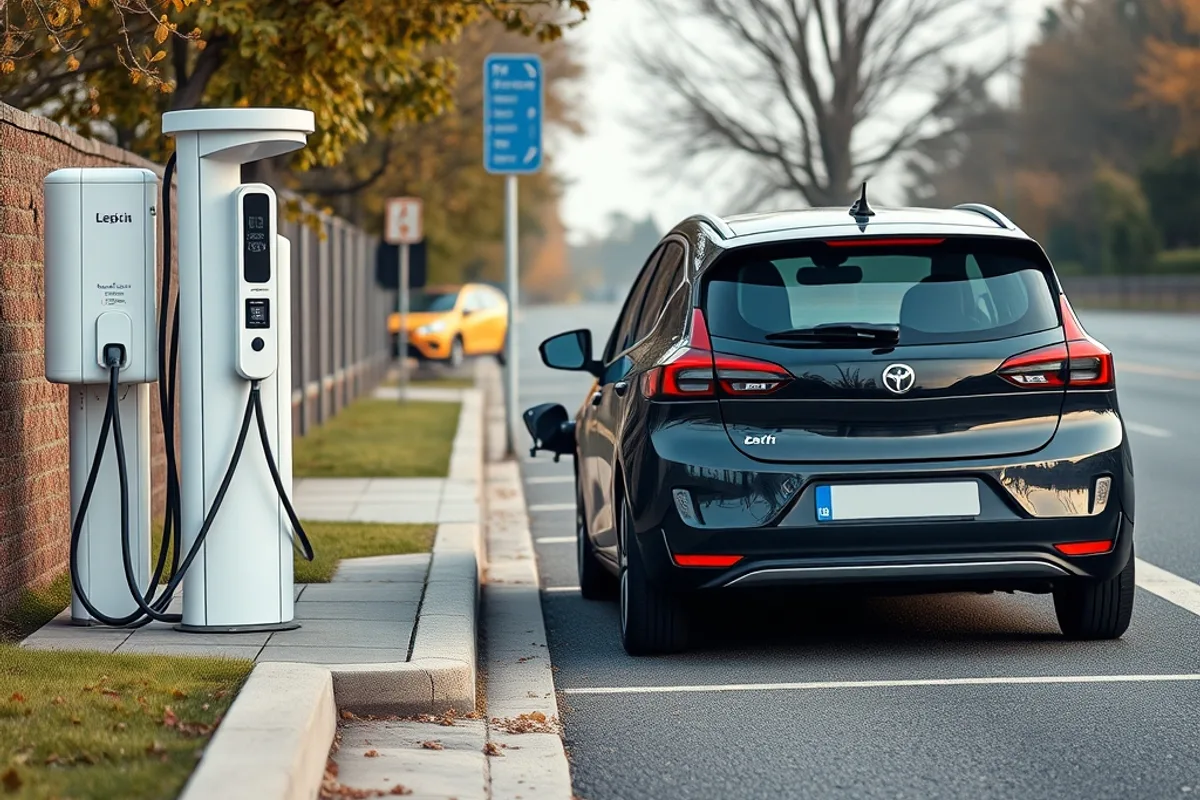
On a 100 kW public charger, the car went from 10 to 80 percent in 32 minutes, with the fastest part of the curve arriving between 20 and 60 percent. That is enough for a coffee stop, and it is the realistic way to use the car on a longer trip.
The public network is the weak point. One of the two rapid chargers we tried was occupied, and the other required an app that took four minutes to set up. Home charging is what makes the car pleasant; public charging is what makes it occasionally annoying.
Cabin and practicality
The cabin is roomier than the exterior suggests. Two adults sit comfortably in front, two more fit in the back for short journeys, and the flat floor makes the middle seat usable. The boot takes a weekly shop and a small suitcase, though not both plus a pushchair.
Material quality is good where you touch and plain where you do not, which is the right trade at this price. The controls are physical enough to use without looking, and the seats are comfortable on a two-hour drive.
The car is not limited by its battery. It is limited by whether you can plug it in where you sleep.
How it drives
Electric torque makes the car feel quicker than its power figure suggests up to about 60 km/h, which is exactly where city drivers use it. The ride is firm but composed, and the low centre of gravity keeps body roll in check on roundabouts.
At motorway speed the car is stable but noisy, mostly from tyre roar, and the efficiency drops sharply above 110 km/h. It is a city car that can do a motorway trip, not a motorway car that happens to be electric.
Running costs and ownership
At a typical home electricity rate, the car costs roughly one fifth of an equivalent petrol hatchback per kilometre. Add lower servicing, because there is no oil, filter or exhaust to maintain, and the monthly saving becomes meaningful for high-mileage city drivers.
The catch is the purchase price and insurance. The electric version costs more up front, and premiums can be higher because repairs are specialised. Run the break-even point against your real annual mileage before assuming the fuel saving pays for the difference.
Verdict: who should buy it
Buy it if you can charge at home, most trips are under 60 kilometres, and you want low running costs without a large SUV. In that setting it is the most sensible car in its class.
Wait if you park on the street, regularly drive more than 300 kilometres in a day, or cannot install a charger. A hybrid or efficient petrol car will be less stressful. For the charging maths, see our EV charging cost guide.
Official source: fueleconomy.gov.