
An oil change is the most approachable DIY job on a car. It needs few tools, it teaches you how the engine bay is laid out, and it saves the labour charge every time you do it. It also carries real risk if the car is not supported properly.
This guide covers the safe version: how to raise the car, drain the oil, change the filter, refill to the correct level and dispose of the waste legally. If any step feels beyond your comfort, stop and book a workshop.
Key facts
- Most cars need 4 to 6 litres of oil per change.
- Correct oil specification matters more than brand.
- Never work under a car held only by a jack.
- Used oil is hazardous and must go to a recycling point.
- Check the level again after the first short drive.
Is it worth doing yourself?
If you have a flat, safe place to work and a basic socket set, an oil change is usually a 20 to 40 minute job. The saving is modest on a modern car, but the inspection you do while underneath often catches a leak or a worn component early.
If your car is under warranty, keep receipts for the oil and filter and note the date and mileage. Some warranties require servicing to be done by a qualified workshop, so check the terms before you start.
Tools and parts to gather first
You need a socket or wrench for the drain plug, an oil filter wrench if the filter is tight, a drain pan, a funnel, gloves, rags and axle stands. A torque wrench is strongly recommended so the drain plug is tight enough without stripping the thread.
Buy the oil grade listed in the owner manual and a matching filter. Using the wrong viscosity or a poor-quality filter can cost far more than the few pounds you saved at the counter.
Prepare the car safely
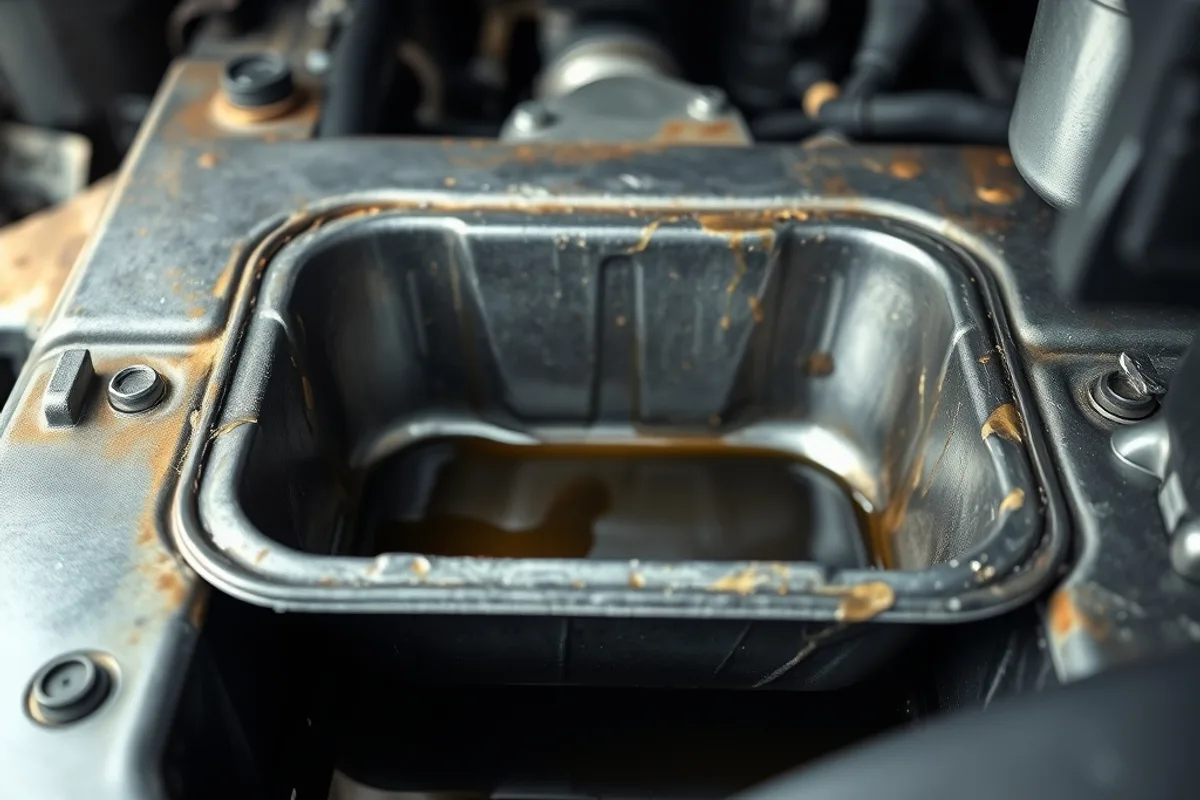
Warm the engine for a few minutes so the oil flows, then switch it off and let it settle. Park on a level surface, apply the handbrake, and chock the wheels you are not lifting.
Raise the car with a trolley jack at the manufacturer's jacking point, then lower it onto axle stands before you go underneath. Never rely on the jack alone. Give the car a firm shake to confirm it is stable.
Drain the old oil
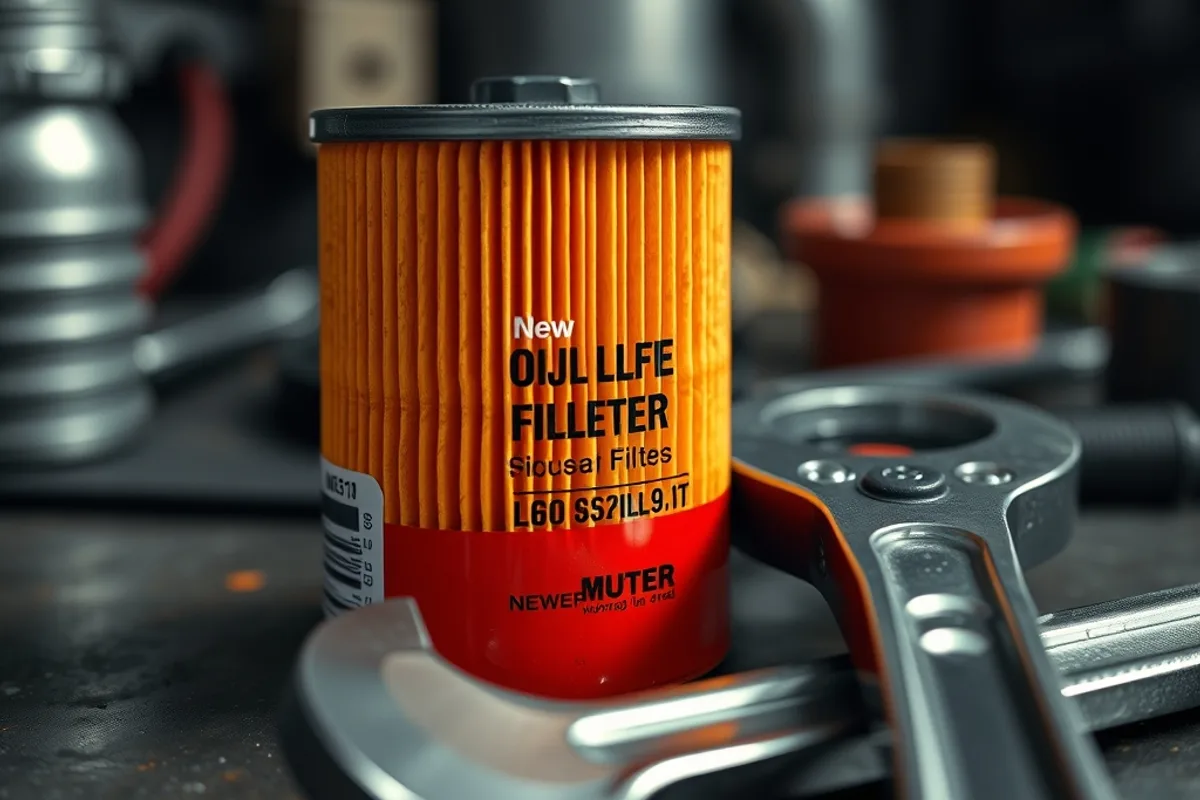
Place the drain pan under the plug, loosen the plug with a wrench and unscrew it by hand, keeping pressure on as the last thread releases. Hot oil can burn, so wear gloves and keep your face clear of the stream.
Let the oil drain fully while you prepare the new filter. Inspect the drain plug washer; a crushed or missing washer will leak. Replace it if it is not in good condition.
The drain plug you tighten by feel is the one that drips on your driveway for a week.
Replace the filter correctly
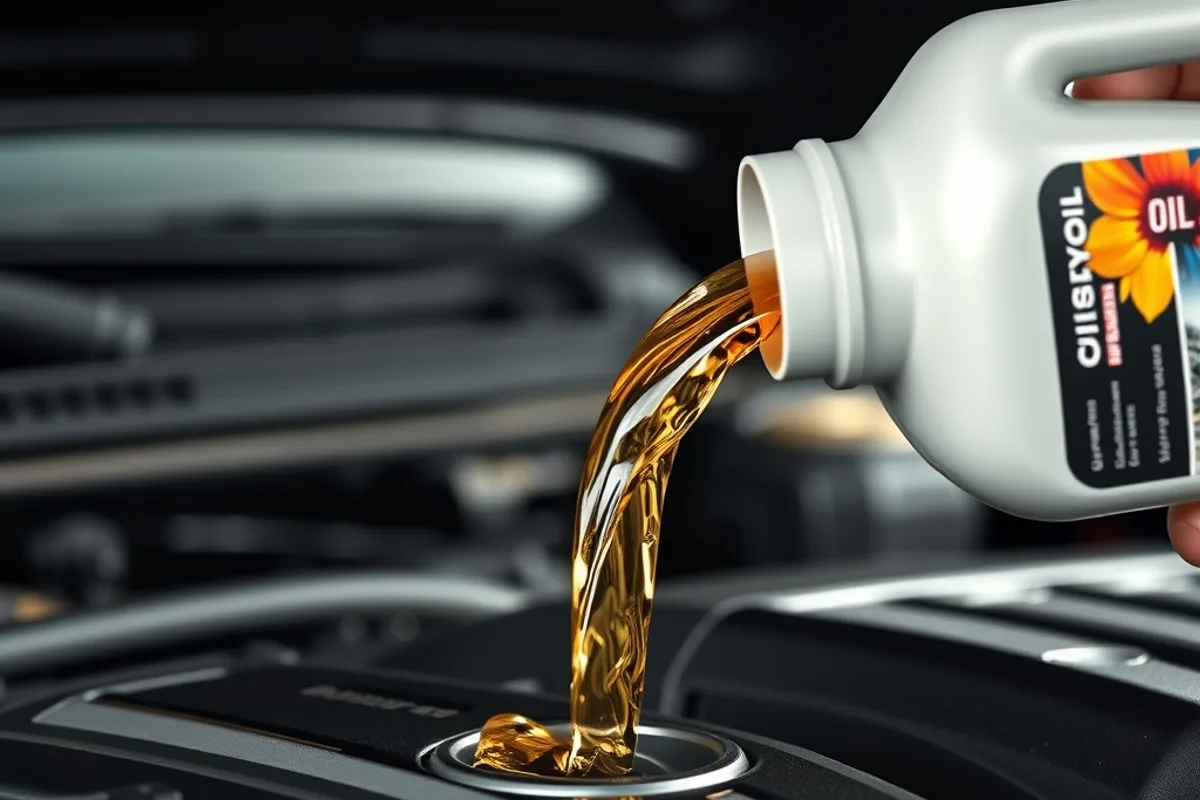
Remove the old filter with the wrench, then wipe the mating surface clean. Smear a little new oil on the new filter's rubber seal, fill the filter partly if it mounts vertically, and screw it on by hand until it touches, then a further three-quarters of a turn.
Do not use the wrench to tighten the filter. Over-tightening distorts the seal and makes the next change a misery. Refit the drain plug with a new washer and tighten it to the torque in the manual.
Refill and check the level
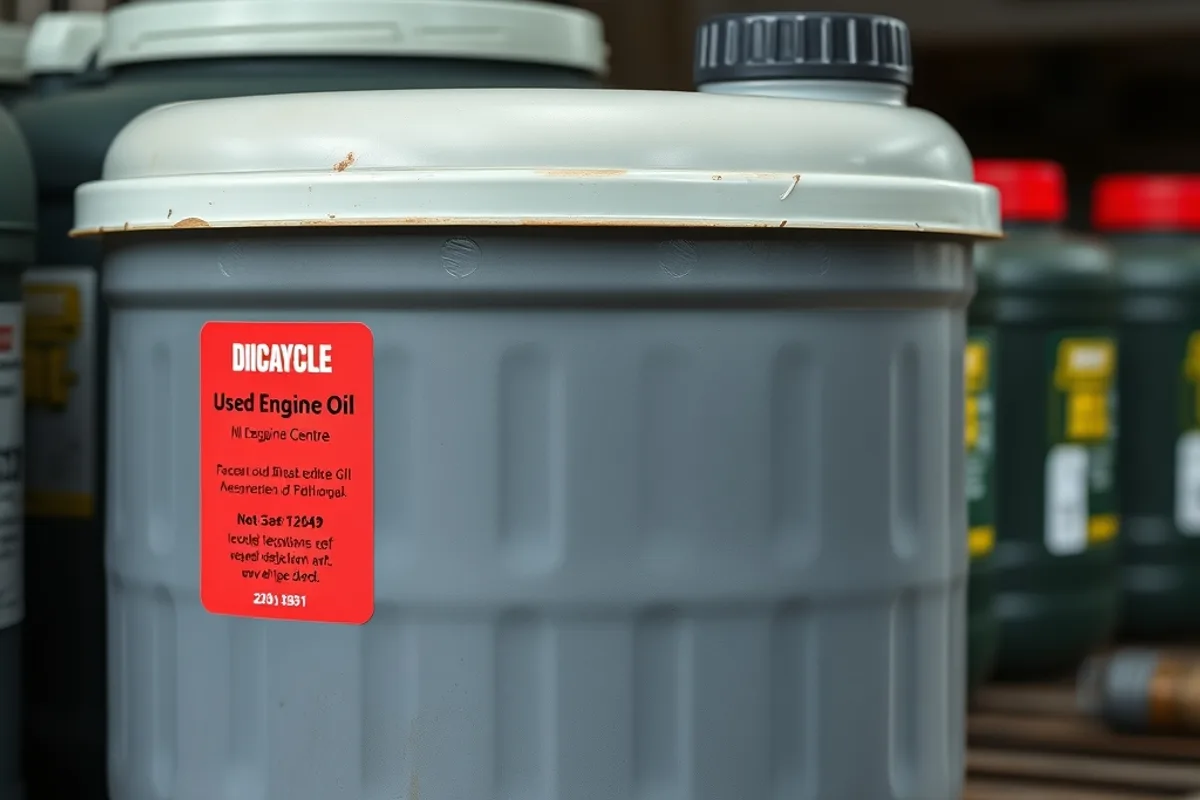
Pour in about 80 percent of the specified capacity, wait a minute, then check the dipstick. Add in small amounts until the level sits between the marks. Overfilling can damage seals and cause foaming, so stop before the maximum.
Run the engine for a minute and watch for leaks around the plug and filter. Switch off, wait five minutes, and recheck the level. The filter will have absorbed some oil, so a small top-up is normal.
Dispose of the waste legally
Pour the used oil into a sealed container and take it to a local recycling centre or a garage that accepts it. Never pour it down a drain or into the ground; a single litre can contaminate a large volume of water.
Reset the service indicator if your car has one, and note the date and mileage in your records. Recheck the level after the first 50 kilometres and look under the car for drips. For the wider routine, see our maintenance schedule.
Official source: epa.gov.